• Skip to primary navigation
  • Skip to main content
  • Skip to primary sidebar
  • Skip to footer
Cardamom and Tea
  • Blog
  • Recipes
  • About
  • Cookbooks
    • Piecemeal
    • A Dish for All Seasons (my first cookbook)

ingredient highlight: pomegranate molasses

July 2, 2017 by Kathryn Pauline 2 Comments

While I’ve always loved to cook, when I was about nineteen or twenty years old, I started getting “serious” about it. I started reading about food science and became totally fascinated with the dogma of traditional French cuisine. During this serious-cook phase, I became obsessed with hoarding spices and specialty ingredients; I think I thought of them as trophies or badges of honor that showed everyone how committed to cooking I really was.

I once bought a giant bag of Ceylon cinnamon because one of my favorite TV chefs recommended it. He made it sound so unlike anything I’d ever tasted before, and I thought it would completely revolutionize everything. After I bought my own stash, I never missed a chance to inform people that the cinnamon they knew and loved wasn’t real cinnamon (I might have been a little bit obnoxious).

True cinnamon has a fabulously dreamy flavor that’s an important part of many cuisines (try it in horchata!), but it didn’t add the right flavor to most of the foods I made that called for cinnamon, and so I hardly ever used it. For me, it was definitely not revolutionary. It travelled from spice cabinet to spice cabinet, in five different apartments in four different states, over the course of a decade, slowly losing flavor and growing sad and dusty.

That’s all just to say that I’m no stranger to the lure of specialty ingredients, as well as the ridiculous cost of buying so many of them. There’s this naive idea that if we just had all the right ingredients, we could unlock a whole new world of delicious food. I still love learning about different cultures and ingredients that are unfamiliar to me, but to do so in a meaningful way takes so much more than just buying something.

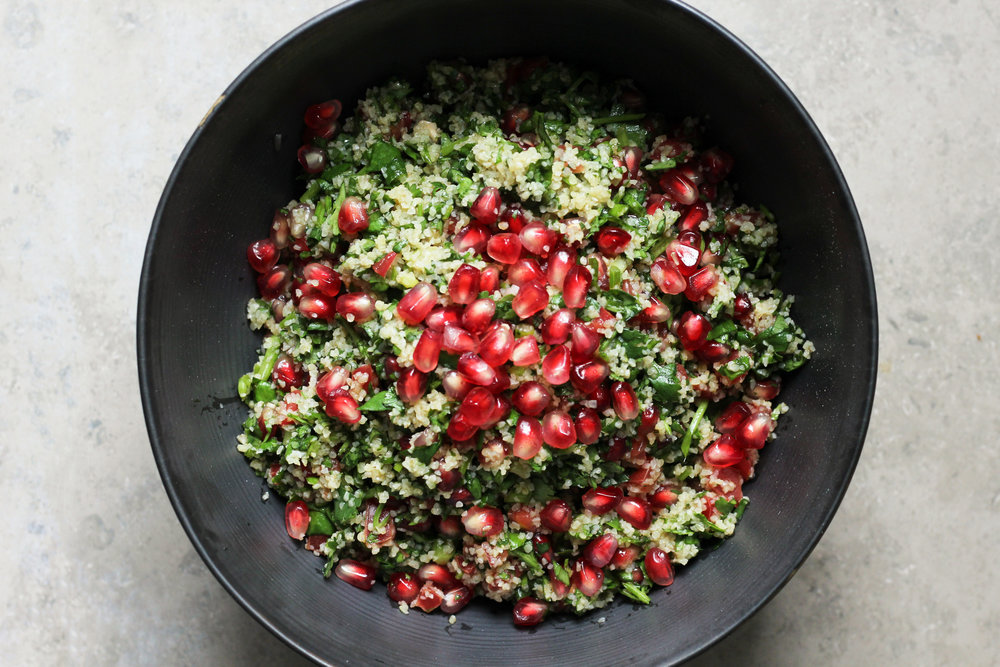
But, more practically speaking, there are some specialty ingredients that you’re going to get more use out of than others, and sometimes buying something is a good start. So, while I suggest substitutions as often as possible, occasionally you’ve just got to track the ingredient down (or find another recipe). This is one of those times, because if you want to start cooking a lot of Middle Eastern food, pomegranate molasses is a good thing to have in your pantry. But even if you only occasionally cook Middle Eastern food, part of the beauty of pomegranate molasses is that you’ll start wanting to put it on absolutely everything. It just makes food so tangy and sweet, with that wonderful tannin pomegranate flavor.
Where to find it

You can find pomegranate molasses online, in almost all Middle Eastern markets, some South Asian markets, some larger upscale grocery stores, and in the international aisles of some supermarkets.

How to use it

If you buy a bottle, be sure to check out Yasmin Khan’s list of ways to use pomegranate molasses. My favorite uses from her list are salad dressings, marinades, roasts, and cocktails. It’s also wonderful as a glaze, with braised meats, and as an ice cream topping. Check out my pomegranate molasses recipe archives for a full list of my favorite pomegranate molasses recipes, or try one of my favorites below:
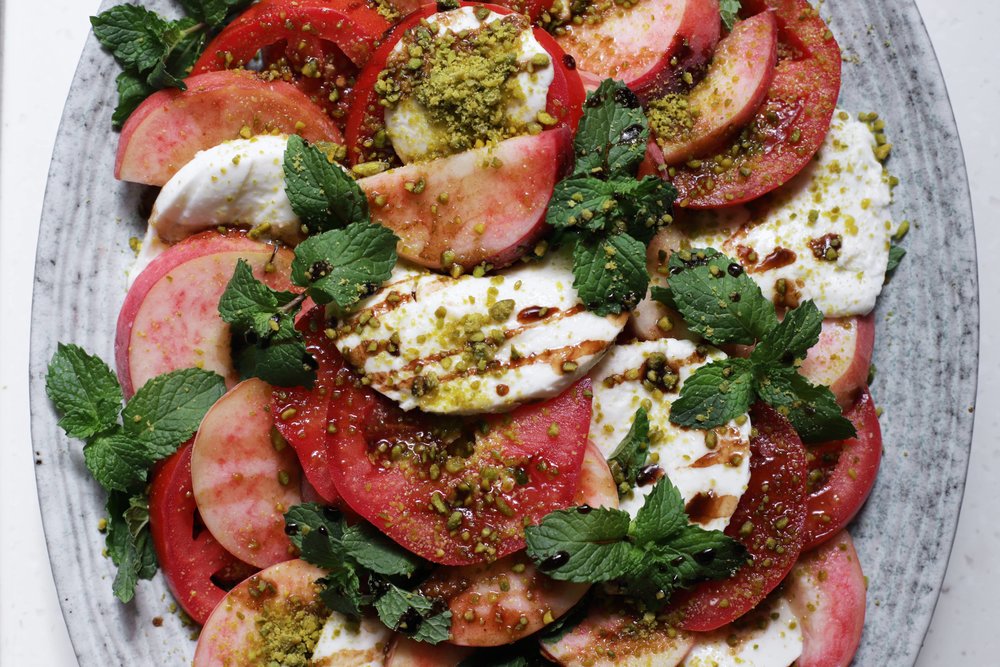
  • Peach Caprese
  • sweet and sour ribs with pomegranate molasses
  • sfiha | meat pies
  • chocolate babka with pomegranate
  • pomegranate chocolate cream pie
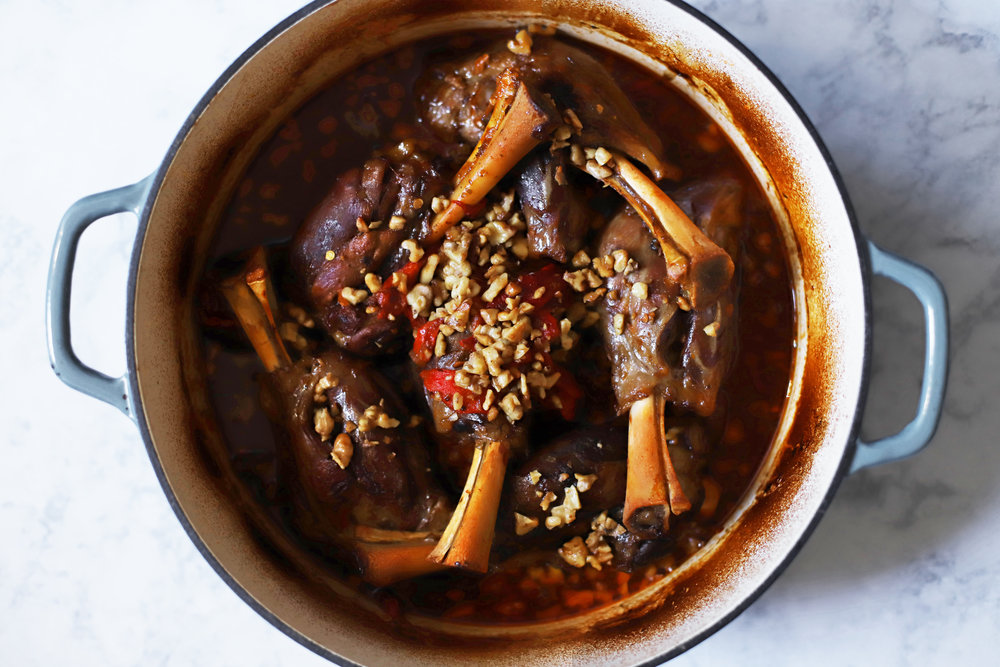
  • muhammara-inspired lamb shanks
  • sheet pan ras al asfour
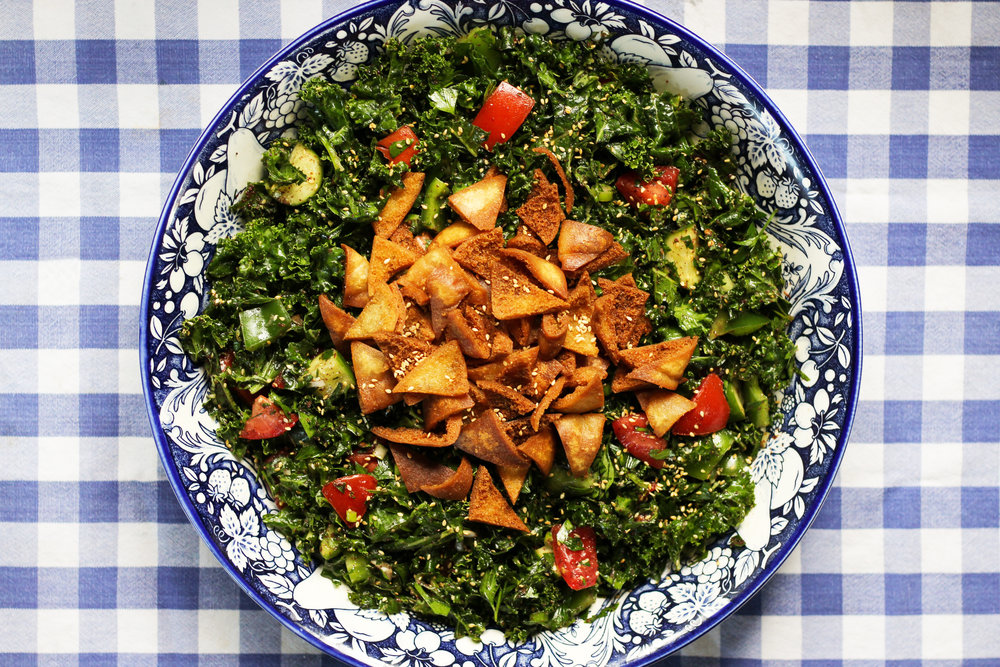
  • grilled radicchio fattoush
  • ras asfour
  • manakish muhammara | sweet and sour red pepper pizza

Filed Under: specialty ingredients

Jerusalem salad

June 28, 2017 by Kathryn Pauline 8 Comments

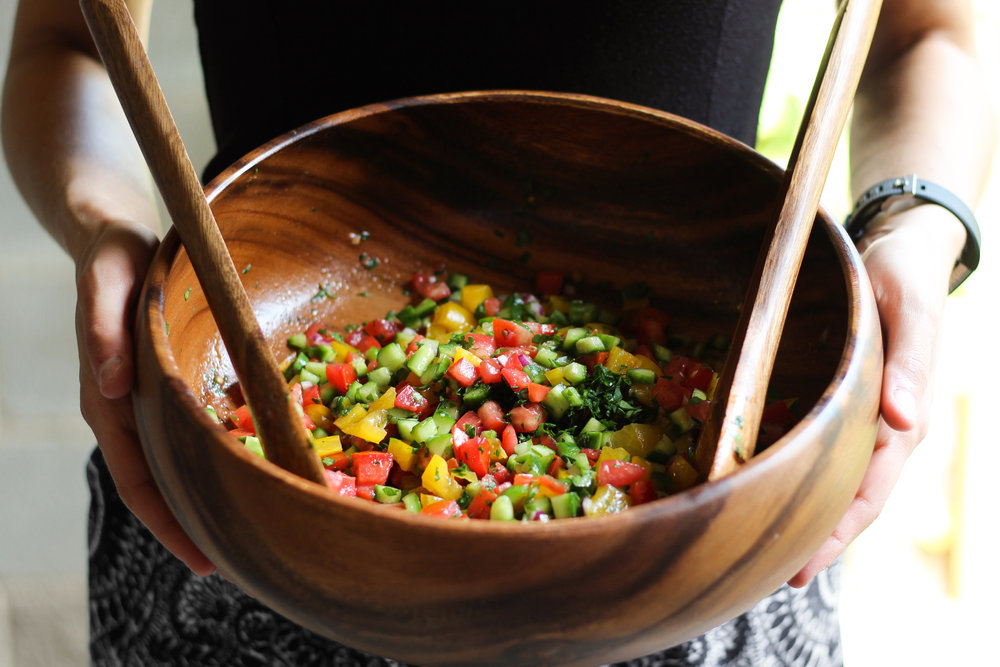
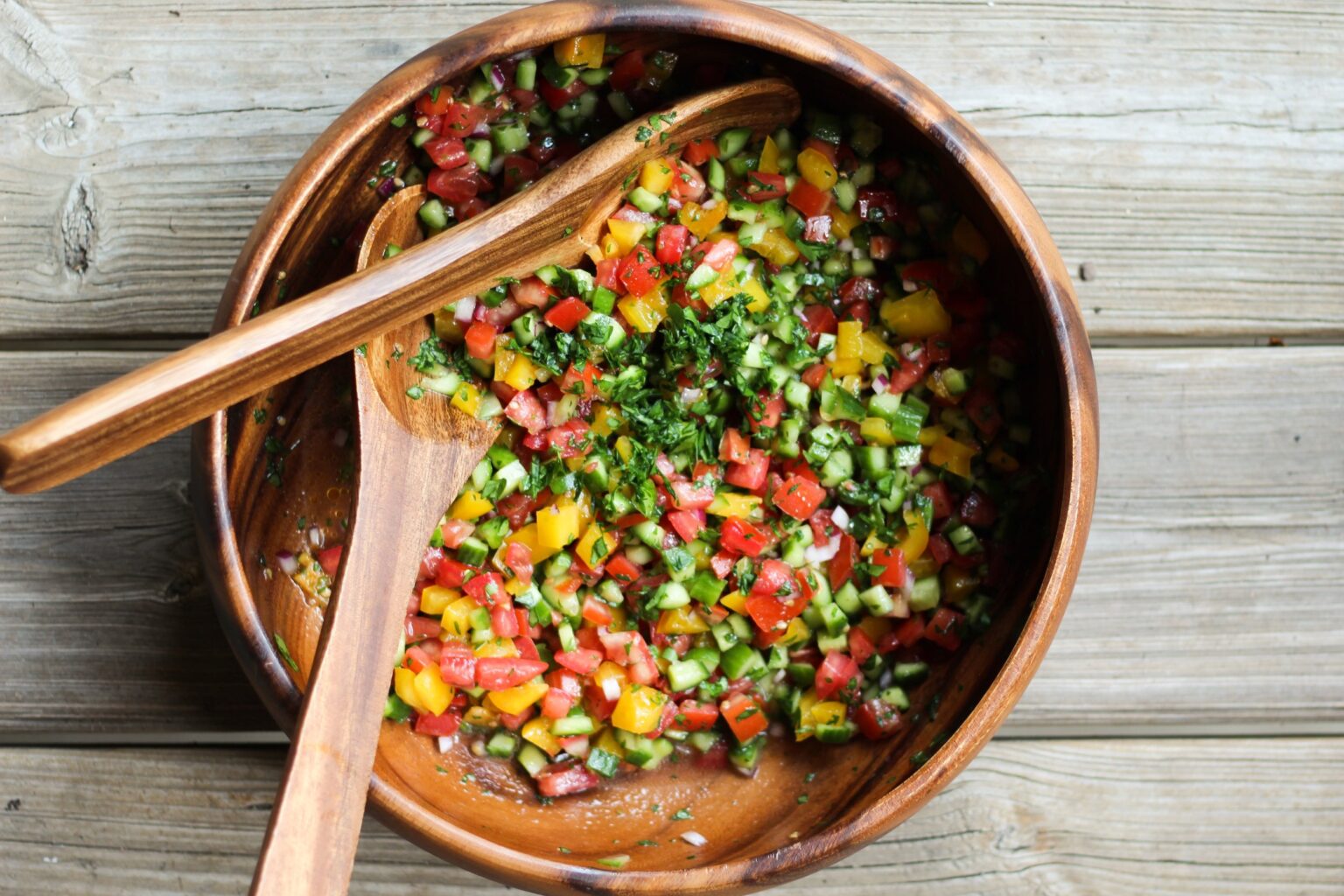
Jerusalem salad is dead simple. You dice up cucumbers and tomatoes (with a few other veggies, depending on who’s cooking). You dress it simply, and you serve it.

But there’s one small problem I’ve always had when making Jerusalem salad: moisture. This recipe solves that problem. Jump to the recipe if you’re ready to go, or read on if you want to learn a bit more about this super easy technique for keeping it crisp for days.

how to make sure your Jerusalem salad doesn’t end up soggy

The problem: These ingredients have a ton of water in them, and when you add salt and dressing, they start leaking everywhere. After about 5 minutes, the dressing is completely watered down and your veggies are swimming in a sea of diluted lemon juice.

You could add extra lemon juice to compensate, and just use a slotted spoon to serve it. Or you could leave the salt out until the last minute.

But my favorite solution is simple and extremely effective. Macerate the veggies with some salt for about an hour, strain them, and then dress the salad. The veggies maintain their crunch, but break down just the slightest bit, and the dressing stays in place and does its job effectively.

Other Middle Eastern Salads

If you’re looking for other Middle Eastern salads, don’t forget about tabbouleh, fattoush, beet salad, and many more. Tabbouleh is certainly the most popular Middle Eastern salad in the US, but don’t underestimate Jerusalem salad’s ubiquity worldwide.

Print

Jerusalem salad (with a longer shelf life)

Print Recipe

5 Stars 4 Stars 3 Stars 2 Stars 1 Star

5 from 1 review

  • Yield: 6 servings

Ingredients

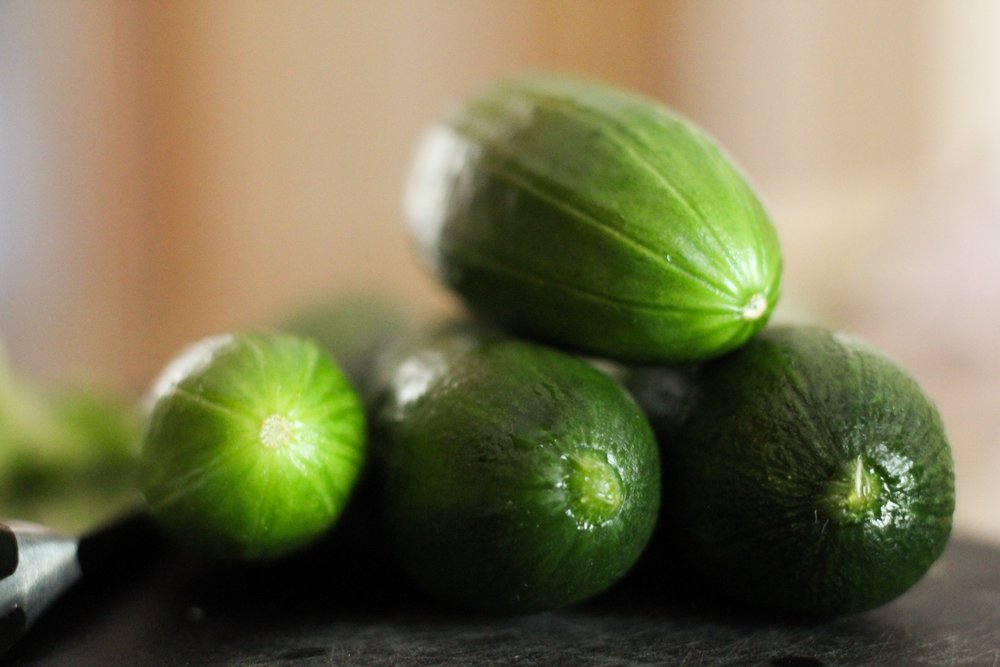
  • 5 Persian cucumbers or 1 large English cucumber
  • 1 bell pepper (ideally red, yellow, or orange)
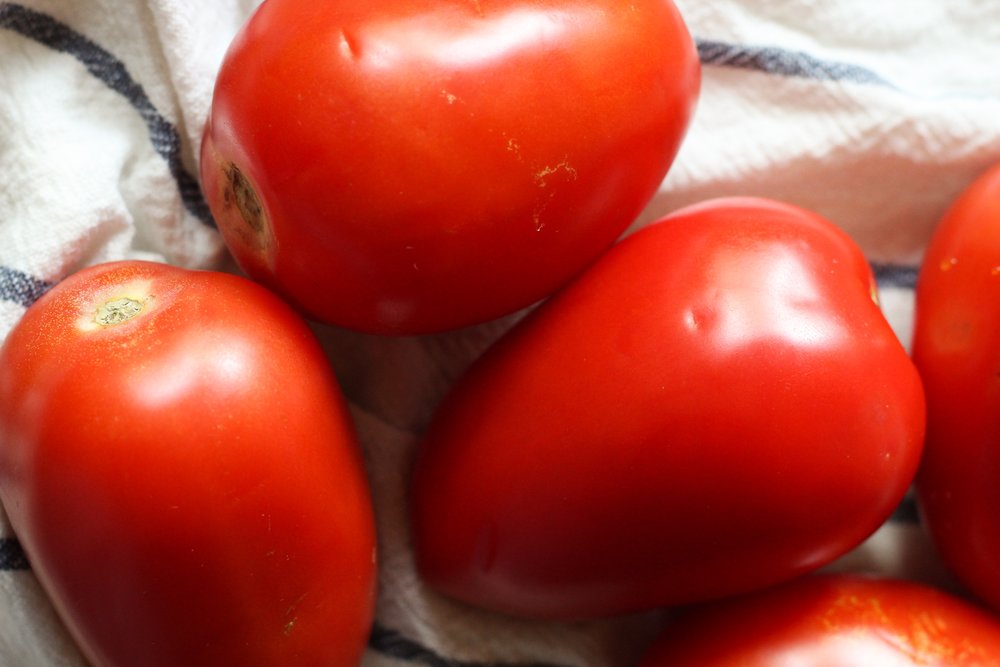
  • 5 roma tomatoes (or 3 large vine-ripened tomatoes)
  • 1/2 teaspoon fine sea salt
  • 1/4 cup minced red onion (from about 1/4 of 1 medium)
  • 3 tablespoons extra virgin olive oil
  • The juice of 1 lemon
  • 3 tablespoons finely minced parsley, divided
  • More salt to taste (optional)

Instructions

  1. Small dice the cucumbers, bell pepper, and tomatoes, and combine in a big serving bowl.
  2. Toss together with the sea salt and refrigerate for an hour.
  3. After an hour has gone by, strain the salad through a fine mesh colander, discarding the liquid. Do not press the salad against the colander, but gently shake the colander a few times to drain away the excess liquid. *
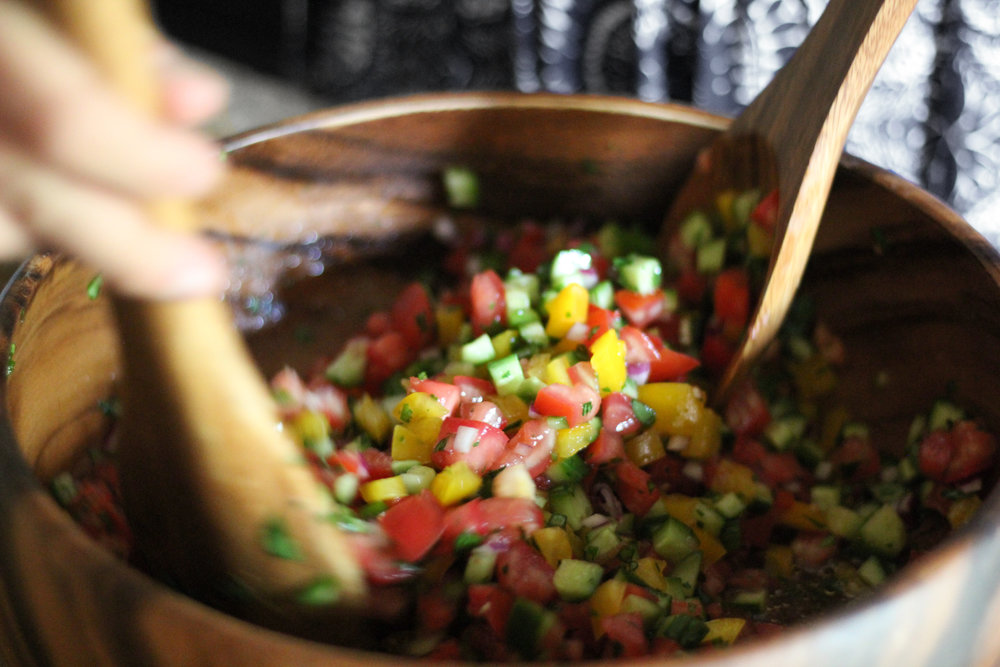
  4. Place the salad back in the bowl, add the red onion, extra virgin olive oil, lemon juice, 2 tablespoons minced parsley, and more salt to taste (optional), and toss to coat.
  5. Garnish with the 1 tablespoon minced parsley.

Notes

* To make ahead, strain the salad after an hour, store in the refrigerator, and then strain again right before dressing and serving. You can even do this a day ahead of time.

If you’re looking for a variation on this salad, try my recipe for watermelon Jerusalem salad, which is prepared in much the same way. I’ve also got a lovely recipe for Jerusalem salad pico de gallo.

find us on instagram and let us know what you made!

Filed Under: appetizers, breakfast, dairy free, dinner, every recipe, family recipes, gluten free, lunch, salads, vegan, vegetarian Tagged With: bell pepper, cucumber, herbs, lemon, middle eastern, parsley, peppers, tomato

  • « Go to Previous Page
  • Page 1
  • Interim pages omitted …
  • Page 164
  • Page 165
  • Page 166
  • Page 167
  • Page 168
  • Interim pages omitted …
  • Page 183
  • Go to Next Page »

Primary Sidebar

Kathryn Pauline smiling

Welcome! I’m Kathryn Pauline, cookbook author, recipe developer, and photographer.

What’s new? 🥕

cauliflower frying

Fried Cauliflower

edible cookie dough

A Better Way to Make Edible Cookie Dough

steamed kale

Steamed Kale (without a steamer)

steamed cauliflower

Steamed Cauliflower

strawberry rhubarb jam in a jar with a spoon photographed from overhead

Strawberry Rhubarb Jam

rhubarb cookies

Rhubarb Cookies

Footer

read our privacy policy

© 2017 - 2026 Kathryn Pauline