• Skip to primary navigation
  • Skip to main content
  • Skip to primary sidebar
  • Skip to footer
Cardamom and Tea
  • Blog
  • Recipes
  • About
  • Cookbooks
    • Piecemeal
    • A Dish for All Seasons (my first cookbook)

ingredient highlight: sumac

March 18, 2017 by Kathryn Pauline 3 Comments

Whenever I’m writing a recipe, I try to make the ingredient list as flexible as possible. I know that there is nothing more annoying than having to track down an unfamiliar ingredient, paying extra to have it shipped, then having to wait for it to show up before you make the recipe, for which you only need one tablespoon, which leaves the rest of the bottle to languish in the back of the pantry until spring cleaning two years later, when it gets the Marie Kondo treatment, along with all those CDs, mismatched socks, and collections of old National Geographics. It’s just the worst.

And while I’ll usually list lots of possible substitutions, there are a few ingredients that just can’t be replaced. That’s why I’ve dedicated this whole post to sumac—I really believe it’s worth it to have a jar in your pantry, especially if you want to regularly cook Middle Eastern food.
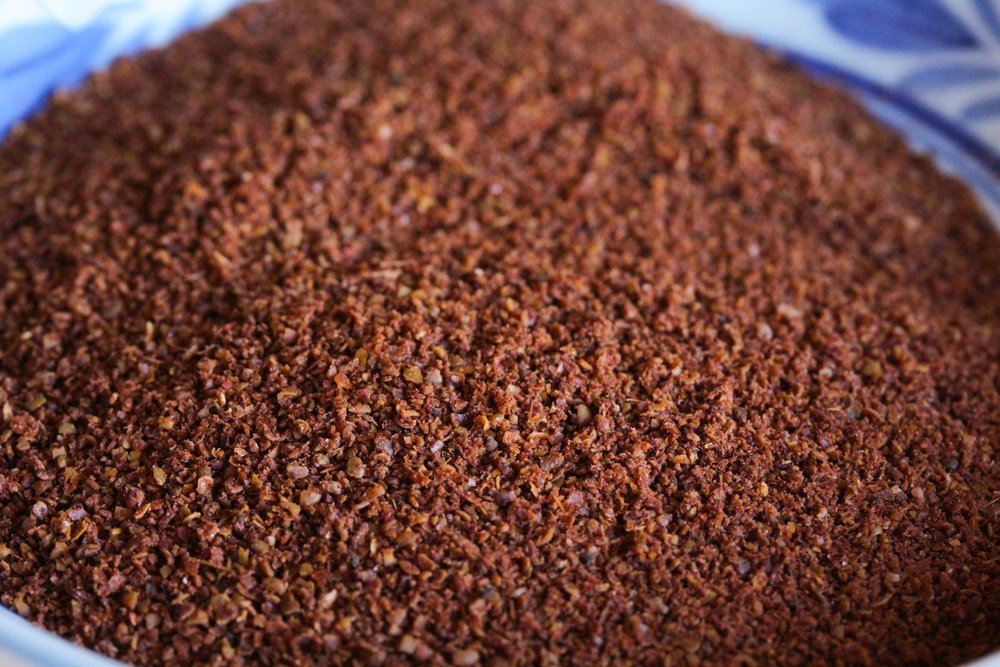
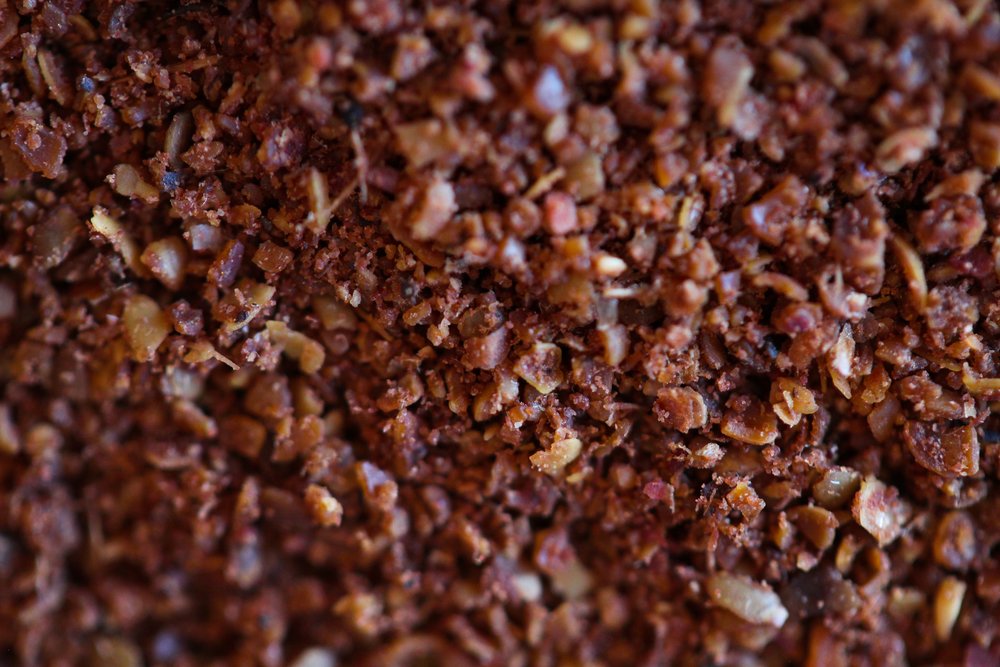
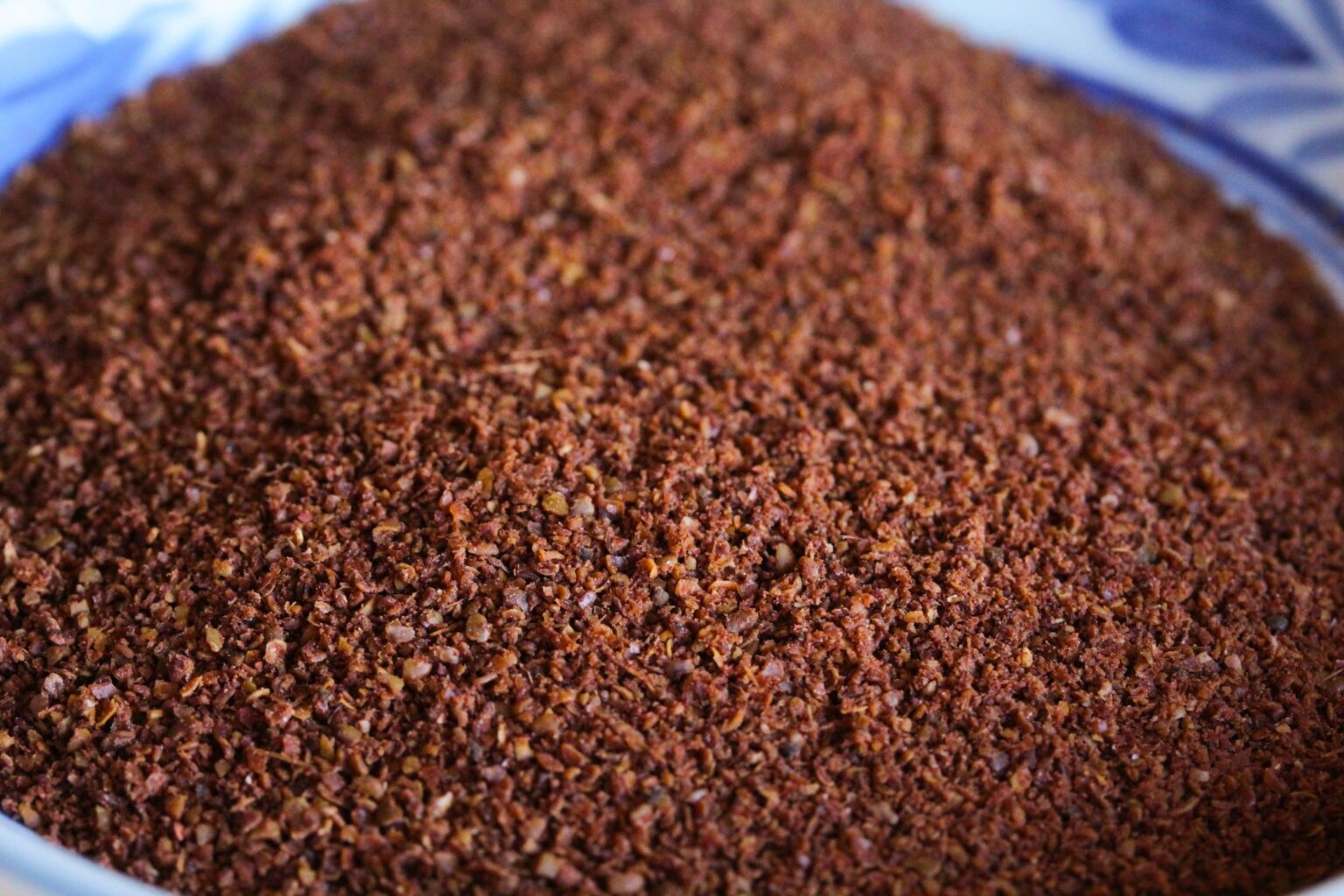
Sumac (also spelled sumaq or sumach) is made from the ground-up pods of the sumac shrub. It adds a wonderfully tangy, subtly bitter flavor to whatever it’s dusted over. It tastes acidic, but without tasting like citrus or vinegar. An added bonus is the dramatic color, which ranges from tawny red to burgundy, and adds a pop of color to a humble plate of hummus or labneh. It’s a staple of Middle Eastern cuisine (as well as many other cuisines around the world) and can be used wherever a little extra tartness is called for.
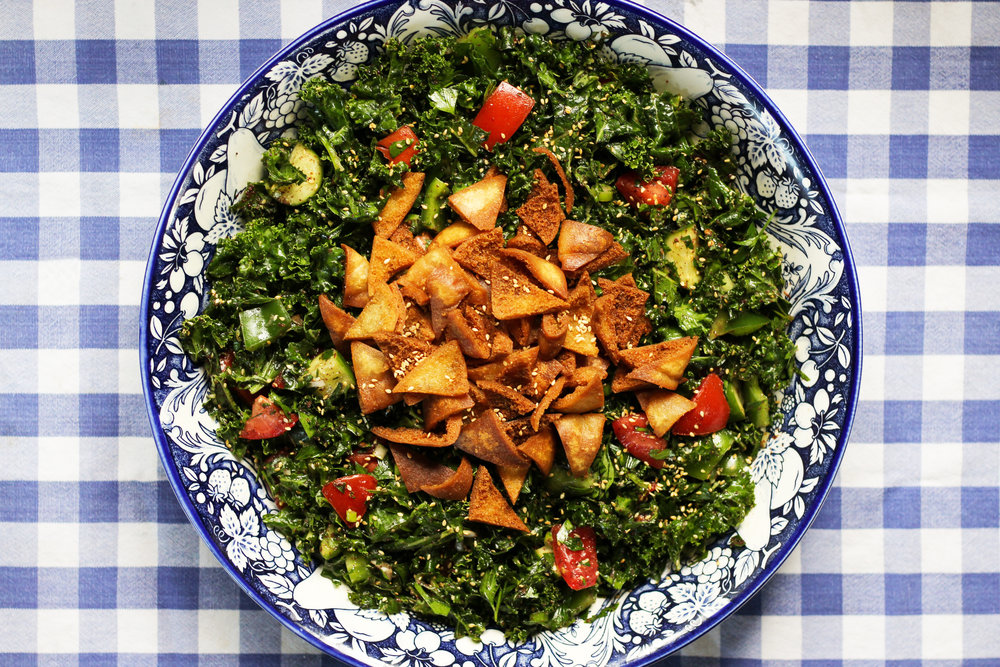
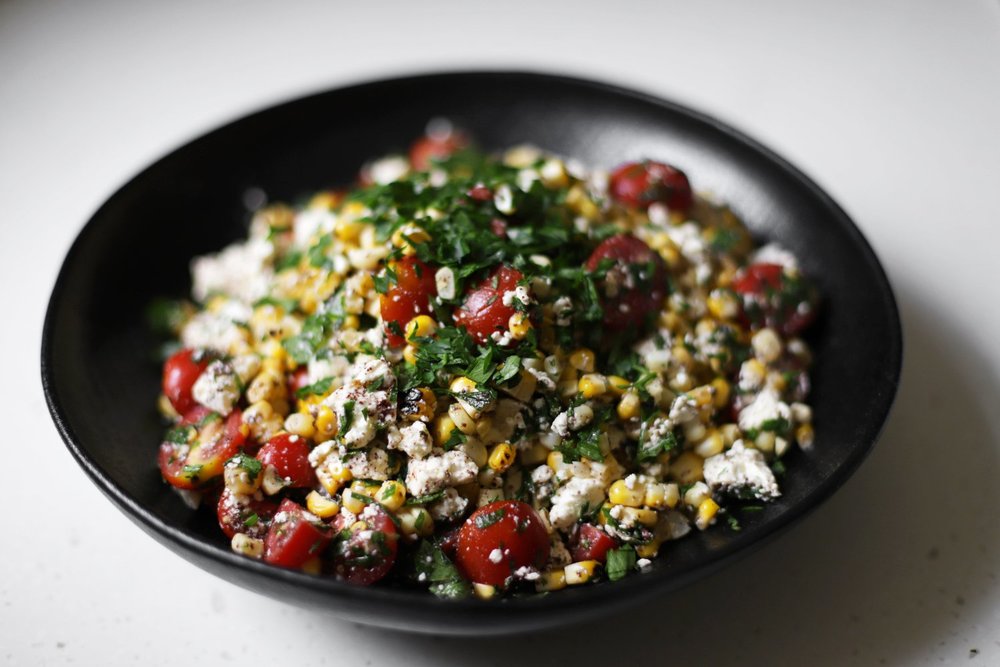
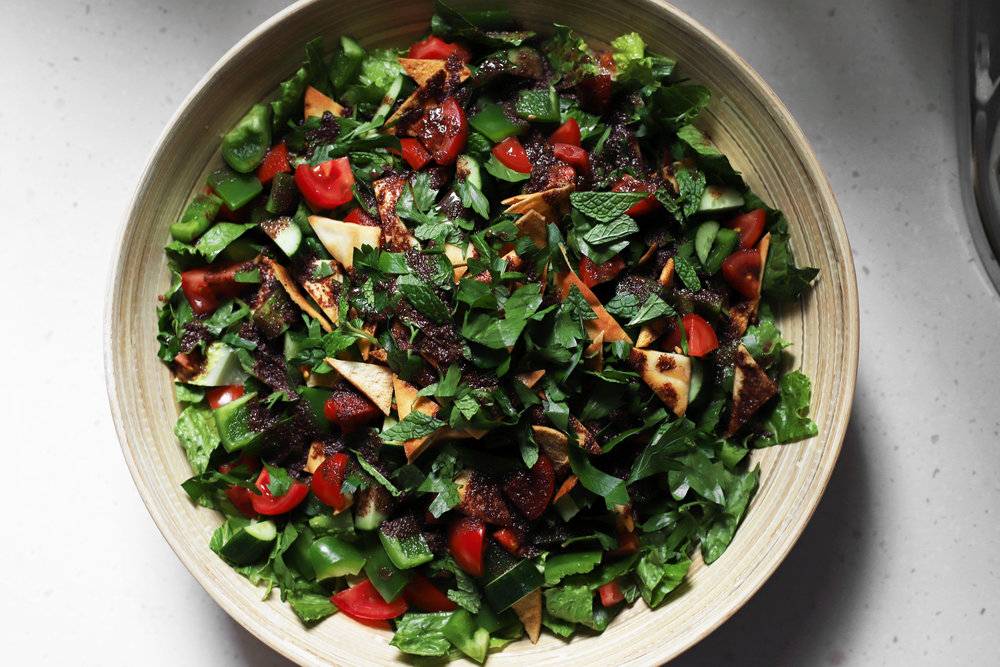
But all of this is not to say that sumac is never replaceable. In certain recipes, lemon will add the necessary tartness, and the sumac won’t entirely be missed. But sumac adds a distinctive flavor that just isn’t exactly the same as lemon. Some dishes, where sumac is the star, simply can’t be made without it. Take fattoush. If you don’t have sumac, you might as well choose another salad (although you shouldn’t worry, because there are plenty of Middle Eastern salads that don’t require sumac).
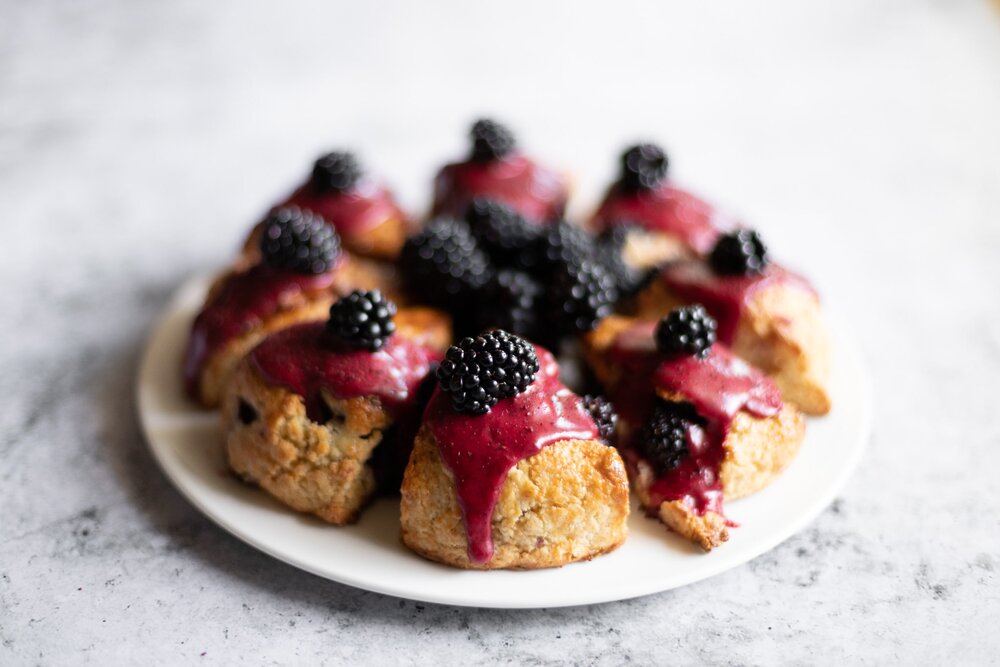
But the good news is that sumac is relatively inexpensive and easy to find online, and once you buy it, you will start putting it on everything (popcorn, garden salads, grilled veggies, grilled meats, burgers, fish, cheese sandwiches, lentil soup, even dessert!). When I want to treat myself, I like to shop at the Spice House (my top recommendation), which sells phenomenally high quality goods at a very reasonable price. If you can find it in a Middle Eastern grocery store, it will be even more affordable. The market near me sells sumac for a couple dollars for a decent-sized bag.

Feel free to check out my sumac archives for a full list of recipes, or try one of my favorites below:
  • Sumac Salad
  • berry scones
  • Creamy Oatmeal
  • gazpacho (fattoush-style!)
  • Black lives matter (+ cherry chocolate sumac skillet pancake recipe)
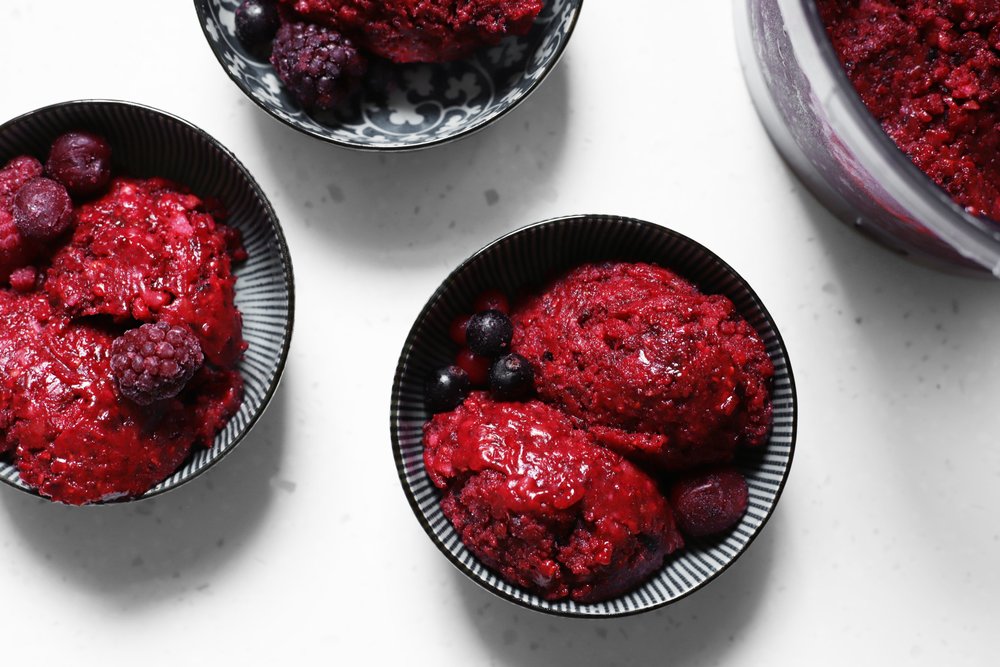
  • berry sorbet with sumac (no-churn)
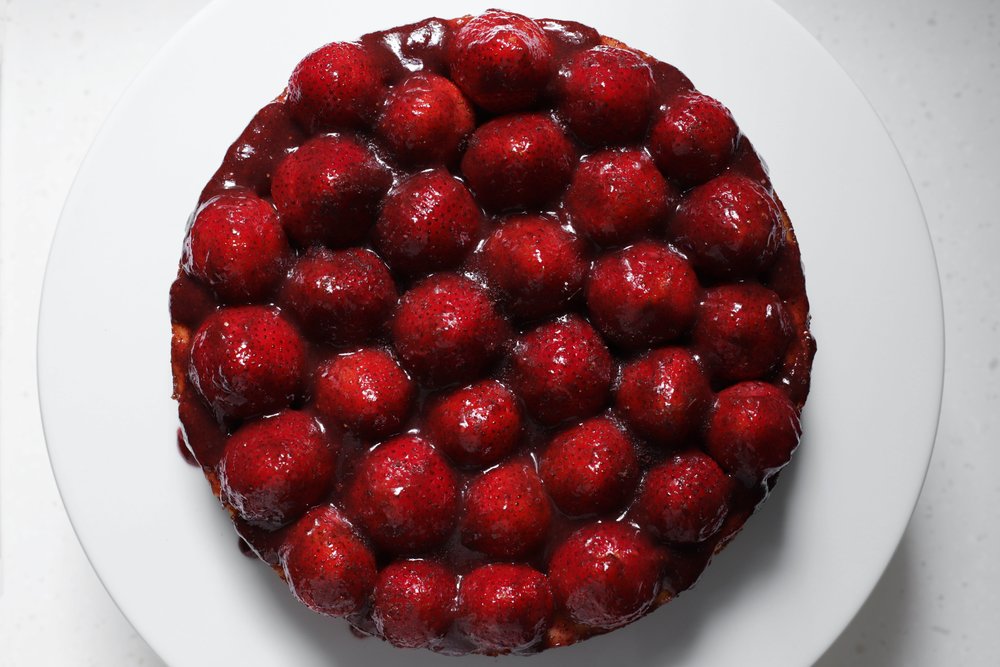
  • biscoff cheesecake with sumac strawberries
  • sweet potato corn chowder with sumac oil
  • watermelon wedge salad
  • strawberry sumac pie

Filed Under: specialty ingredients Tagged With: middle eastern

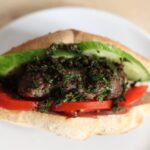
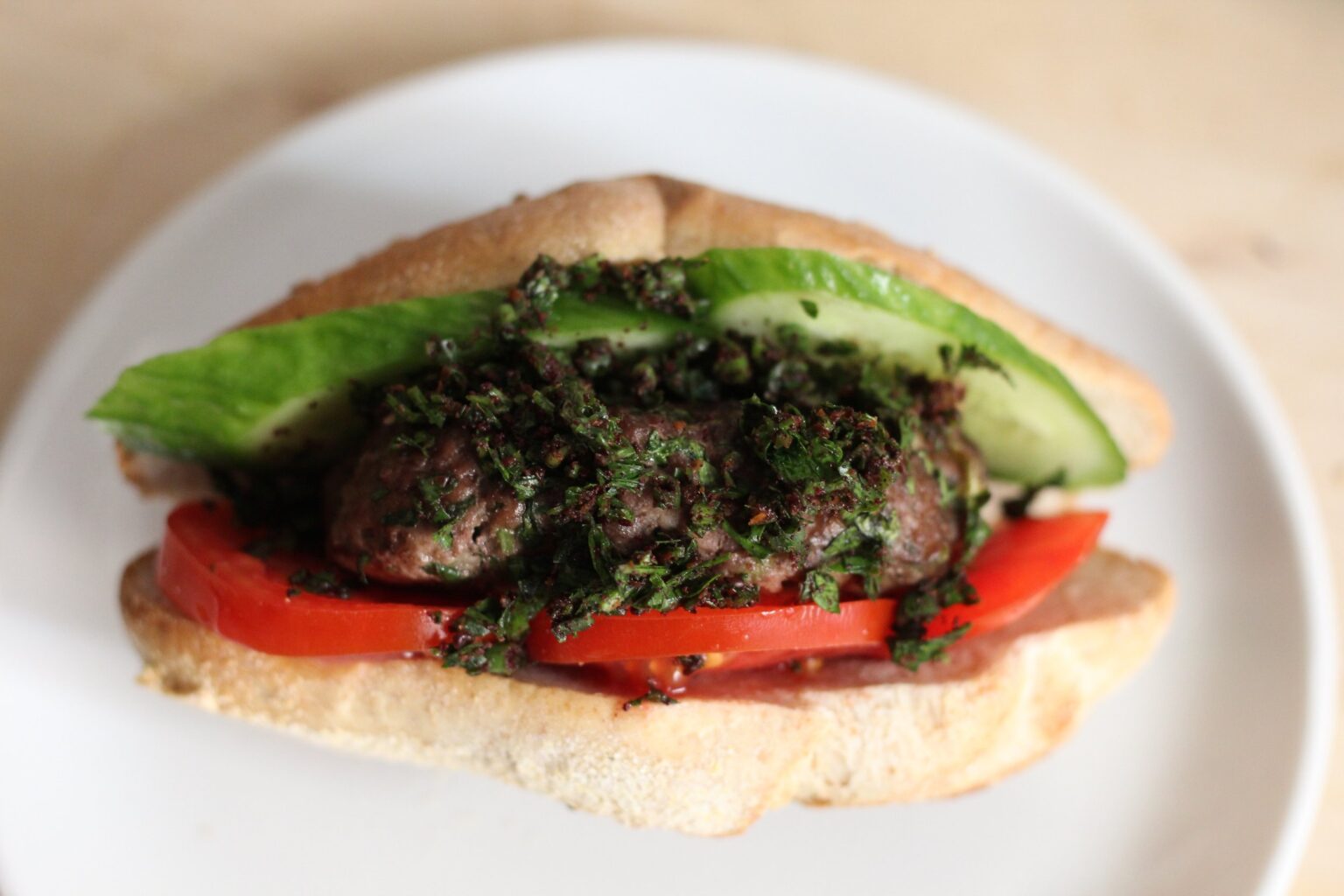
kebab burgers | kebabeh gu samooneh

March 15, 2017 by Kathryn Pauline 2 Comments

My mom is always cooking something delicious for someone. Last night, I called her to talk and she was chopping tabbouleh for my sister’s boyfriend just because she knows it’s his favorite and wanted to send some over. She plans huge family dinners all the time, and when she has to plan a big meal at the last minute, you’d never know that she didn’t spend all week cooking. The secret to her effortless entertaining is the Assyrian kebab.

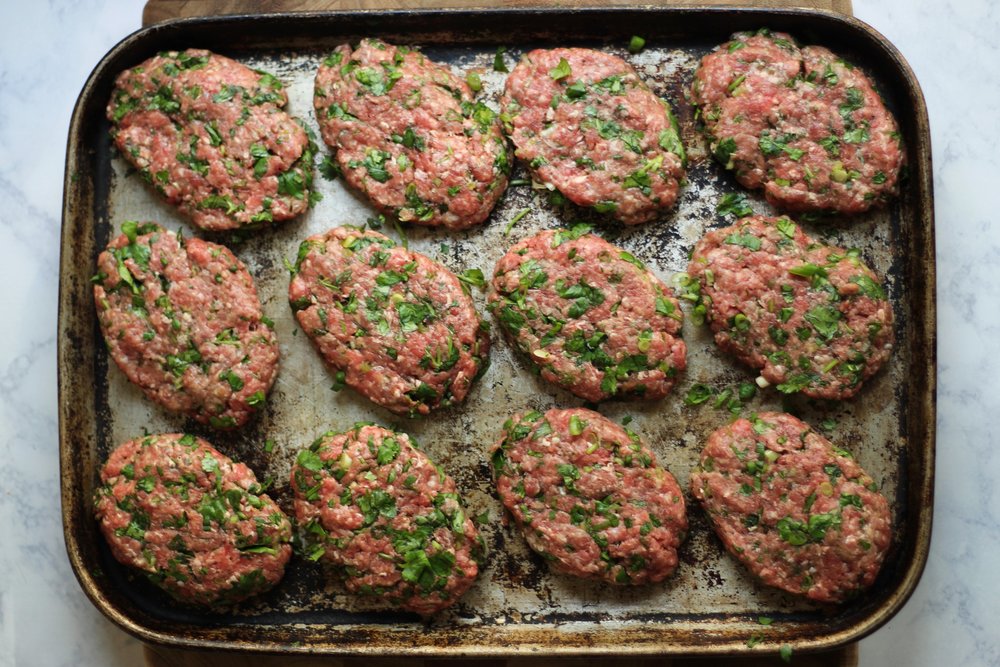
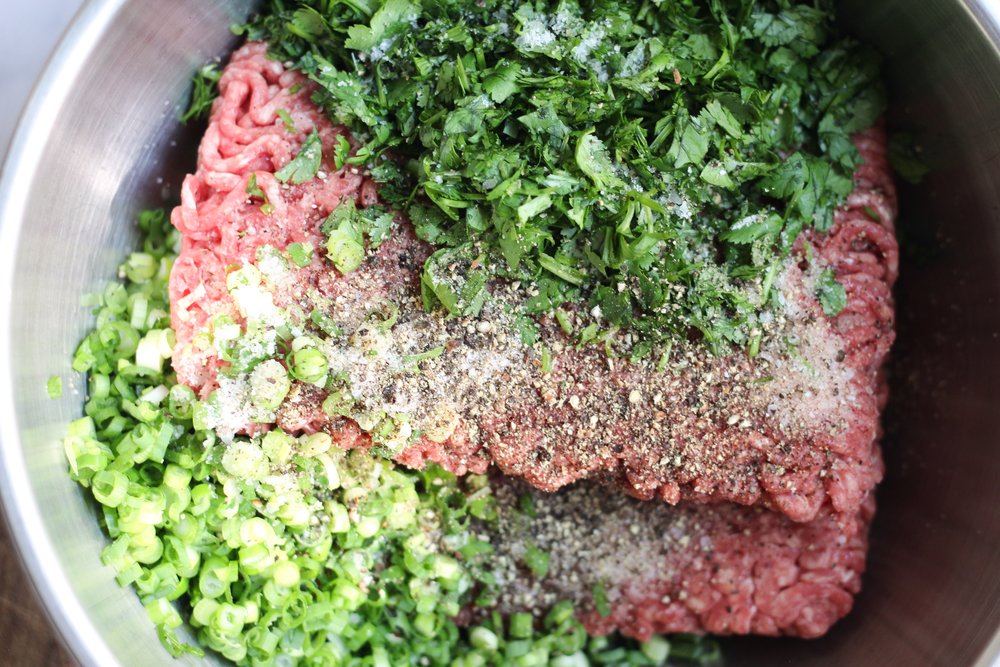
The key to a good kebab is to completely overload it with herbs. This is what makes it both easy and impressively flavorful. My family uses a ton of cilantro and a decent amount of green onions, so that every bite has an intensely herby flavor. Feel free to experiment with this recipe, as long as you capture the essence of kebabeh—that is, the intensely herby flavor.

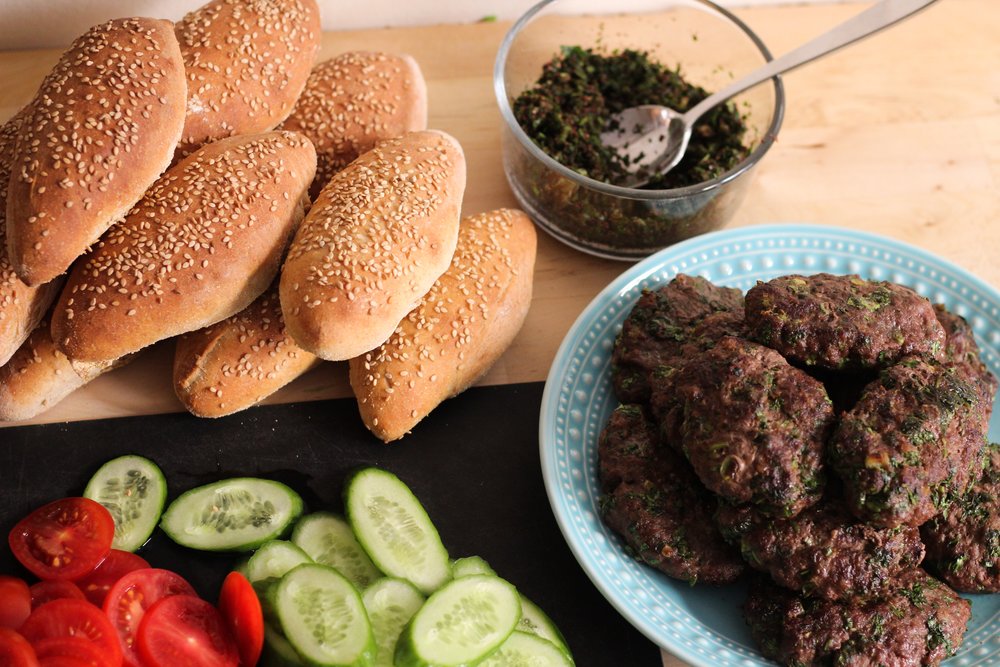
We usually serve them on samoon bread, which is available in many Middle Eastern markets, and if you can’t find it, you can always make your own samoon. But if you don’t feel inclined to bake your own, you can use any other bun or bread. Assyrian food is a diaspora cuisine, so it’s not unheard of to eat a kebab on a parker house roll or a Hawaiian roll. We shape kebabs into an oval shape, which nicely matches the oval shape of samoon, but you can use whatever shape makes sense for the bread you have.

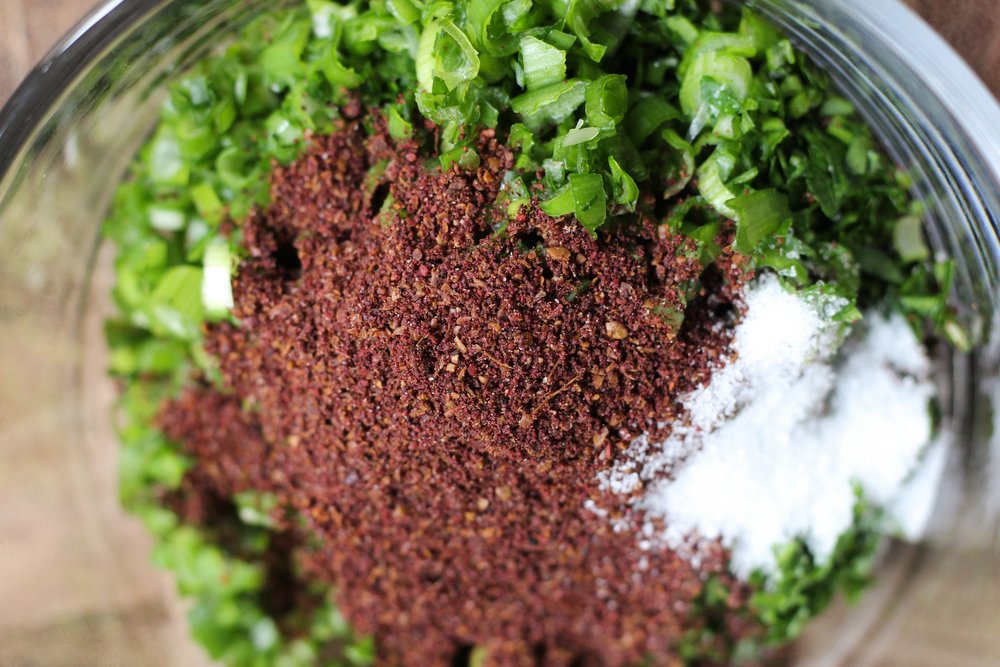
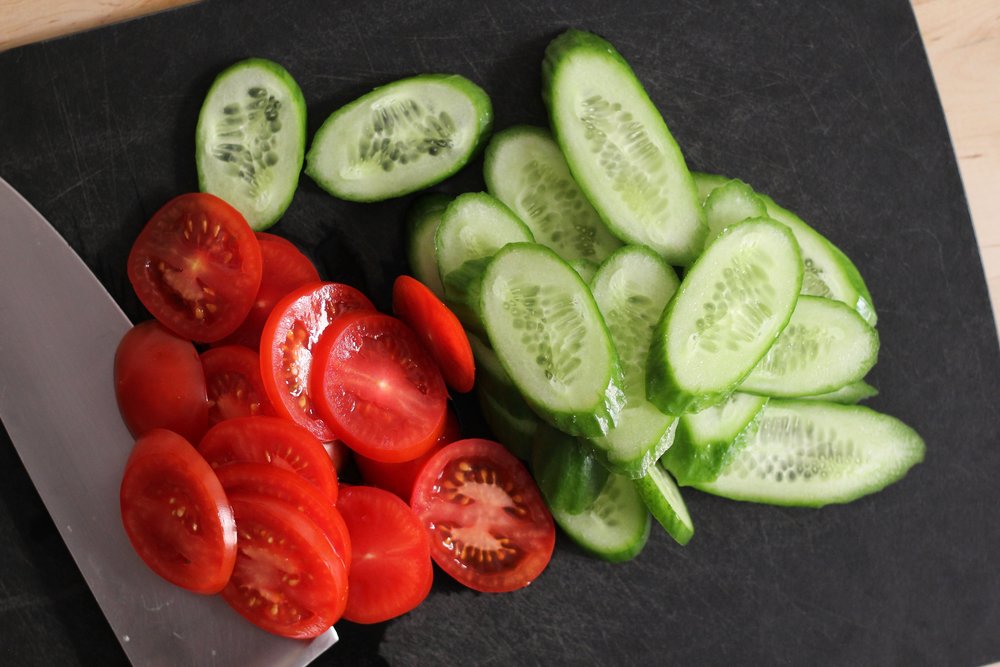
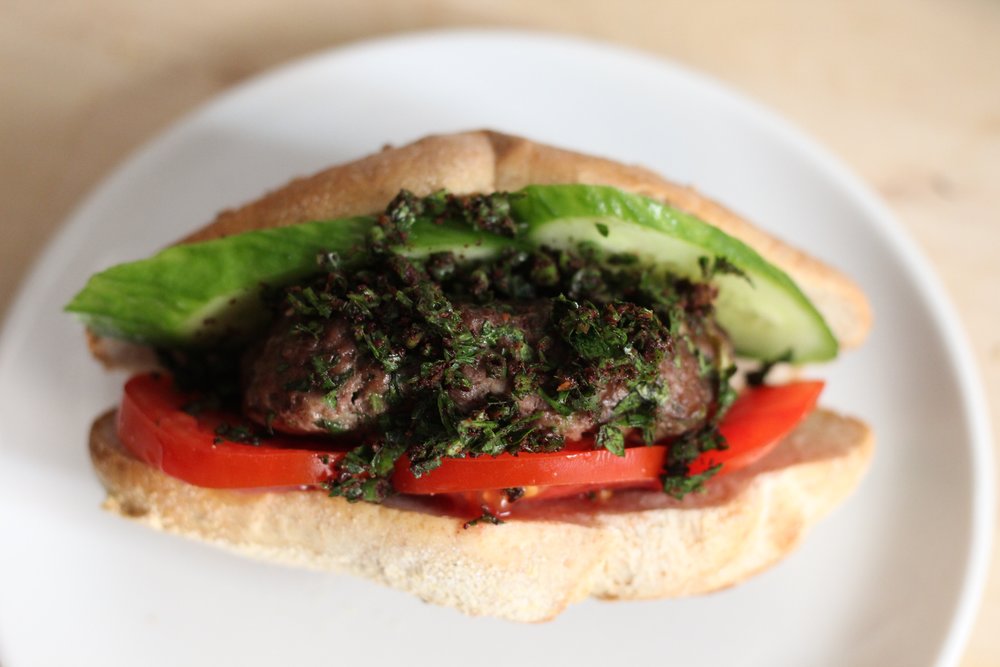
My family often eats kebabs plain, but you can add a lot of toppings to make it more of a special occasion food. We sometimes add sliced cucumbers and tomatoes, as well as a dry salsa of sumac, parsley, and green onions.

Print

kebab burgers | kebabeh gu samooneh

Print Recipe

5 Stars 4 Stars 3 Stars 2 Stars 1 Star

No reviews

  • Yield: 12 patties

Ingredients

  • 1/4 cup finely chopped parsley
  • 3 tablespoons finely chopped green onions *
  • 1 tablespoon + 1 teaspoon sumac (or 2 tablespoons lemon juice)
  • 1/4 teaspoon fine sea salt or table salt (or to taste)
  • 2 1/2 pounds ground beef (a combination of chuck and sirloin, or a mix that is about 80% lean)
  • 1 cup chopped cilantro leaves *
  • 1/2 cup chopped green onions *
  • 2 teaspoons kosher salt (or 1 1/2 teaspoon fine sea salt/table salt), or to taste
  • 1/4 teaspoon black pepper, or to taste
  • About 2 to 3 thinly sliced plum tomatoes (for serving)
  • About 2 to 3 thinly sliced small Persian cucumbers (for serving)
  • Samoon or any other kind of bread (lawash, pita, or even burger buns all work great)

Instructions

  1. For the dry salsa: Combine parsley, green onions, sumac, and 1/4 teaspoon salt, and set aside.
  2. Preheat a gas or charcoal grill to medium high heat (or turn your oven’s broiler on 5 to 10 minutes before you’re ready to cook the patties).
  3. Combine the ground beef with the cilantro, green onions, kosher salt, and black pepper. Mix everything just until it comes together. Do not over-mix or your kebabs will be tough and rubbery.
  4. Shape the kebabs into approximately 12 ovals.
  5. Grill or broil for about 5 to 7 minutes per side until they are cooked all the way through. **
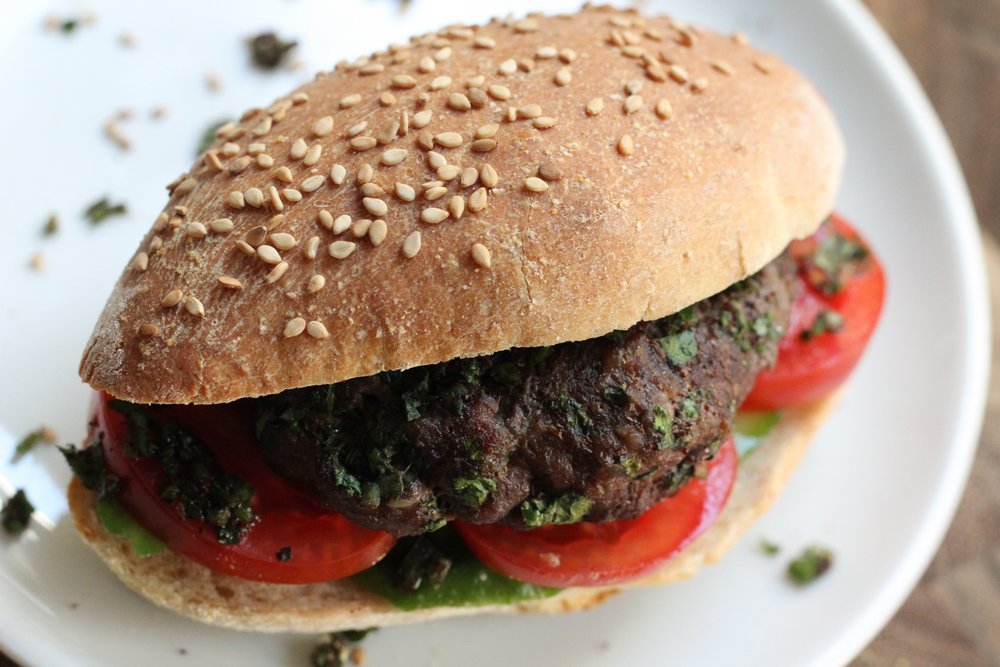
  6. Serve the kebabs on samoon (or your bread of choice), topping each with a heaping teaspoon of the salsa, and a couple slices of tomato and cucumber.

Notes

* For grocery shopping purposes, this normally comes out to about 1 bunch cilantro and 1 bunch green onions (with the onion bunch split between the two components of the dish).

** Kebabs are most often served medium-well or well, but you can serve yours medium rare if that’s what you prefer.

find us on instagram and let us know what you made!

Filed Under: dairy free, dinner, every recipe, family recipes, lunch, main courses Tagged With: beef, cucumber, middle eastern, sumac, tomato

  • « Go to Previous Page
  • Page 1
  • Interim pages omitted …
  • Page 177
  • Page 178
  • Page 179
  • Page 180
  • Page 181
  • Interim pages omitted …
  • Page 183
  • Go to Next Page »

Primary Sidebar

Kathryn Pauline smiling

Welcome! I’m Kathryn Pauline, cookbook author, recipe developer, and photographer.

Footer

read our privacy policy

© 2017 - 2026 Kathryn Pauline