• Skip to primary navigation
  • Skip to main content
  • Skip to primary sidebar
  • Skip to footer
Cardamom and Tea
  • Blog
  • Recipes
  • About
  • Cookbooks
    • Piecemeal
    • A Dish for All Seasons (my first cookbook)

masgouf | Iraqi grilled fish

April 19, 2017 by Kathryn Pauline 4 Comments

When my grandparents got married in 1958, my grandmother moved from a village near Al Hasakah in north eastern Syria to Baghdad. During their first few years together in the city, before they had children, they would often go out with a big group of friends to the restaurants on Shara Sadoun, on the Tigris River. There, they would enjoy an Iraqi delicacy: masgouf.

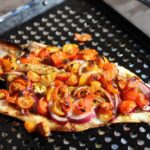
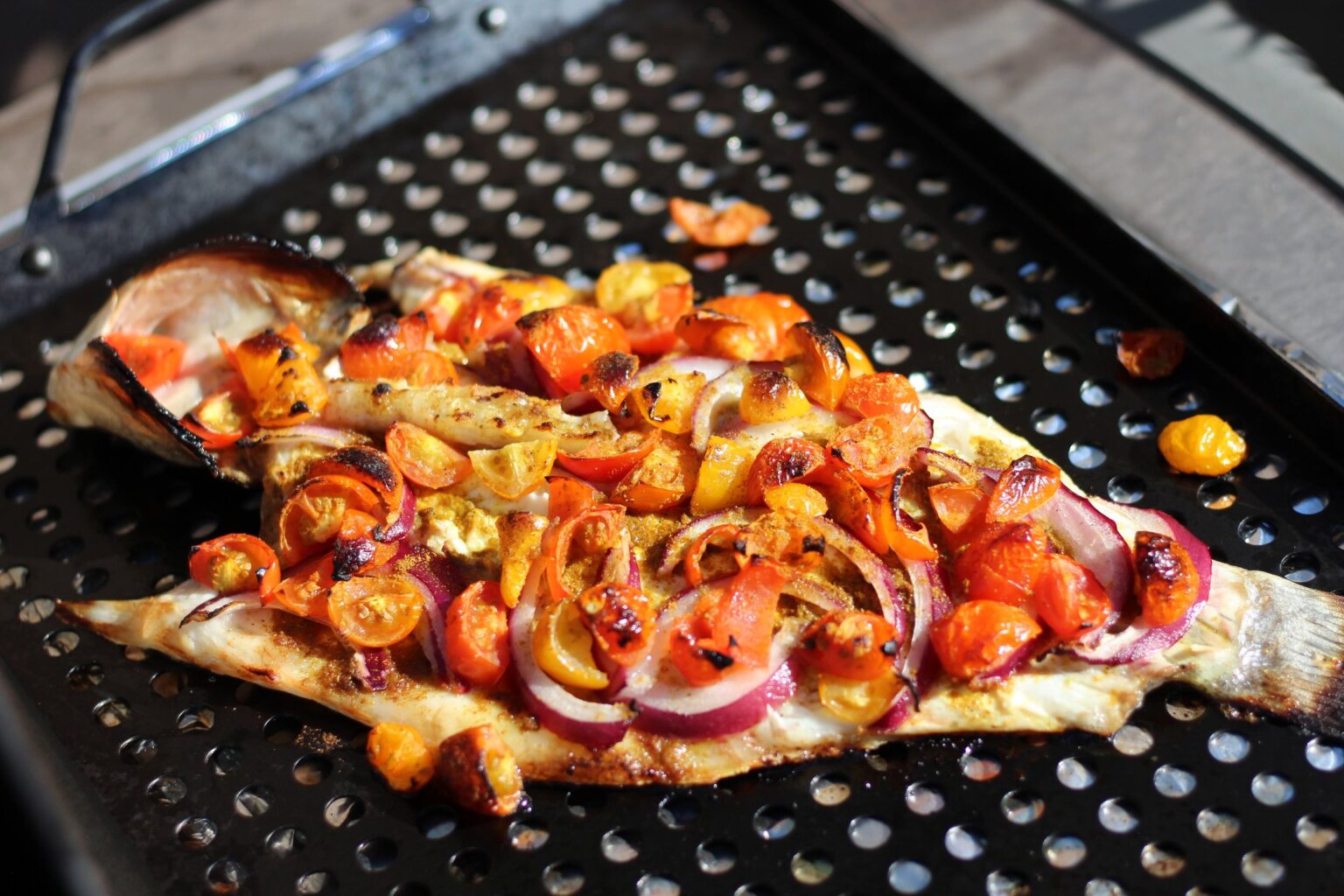
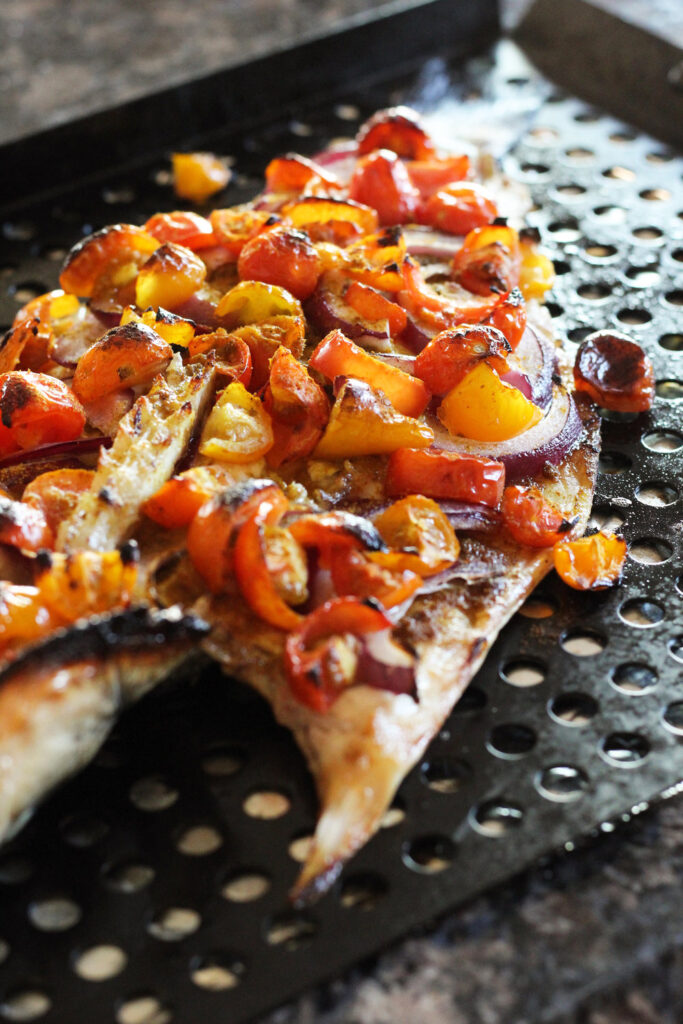
At these restaurants, you’d select one of the freshly-caught catfish swimming around in a big tank. The cooks would bring your fish to the kitchen to clean it and prepare it. And then they would cook it with onions and tomatoes outside over an open fire, where you would sit and enjoy the view of the fire and the river. They would serve the masgouf with fresh green onions, radishes, and parsley.
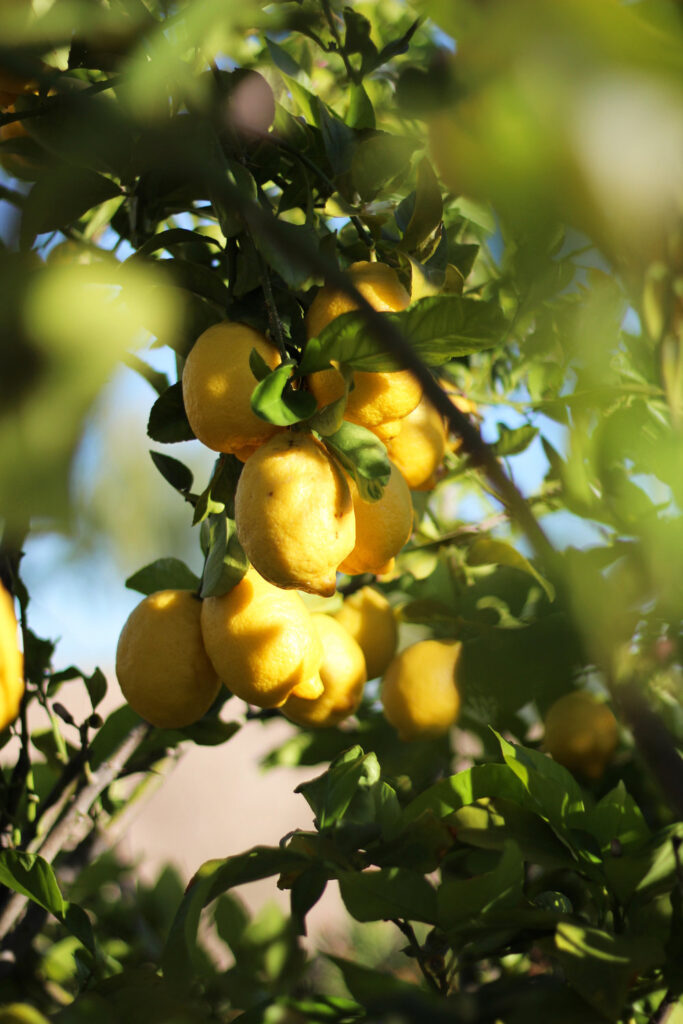
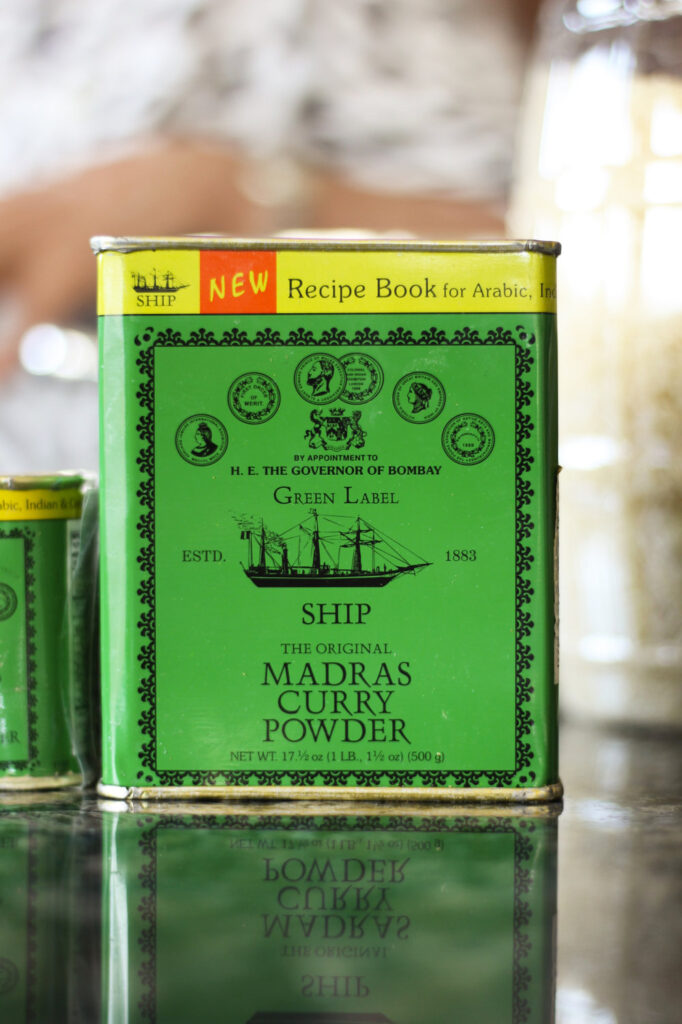
Masgouf was a big part of their lives in Baghdad, since my great grandmother, Yemmah Ettie, would cook the dish for the whole family every Friday. When they came to Chicago, they stopped making it because they didn’t have space to grill. But we’ve recently rediscovered masgouf and now make it all the time.

I’ve developed a recipe to explain the way my family makes masgouf, but you shouldn’t let it limit your imagination or your own traditions. There are a lot of other equally delicious ways to prepare this dish. And not everyone makes masgouf exactly the same way. Some add garlic and tamarind to the topping, and many people cook the tomatoes and onions into a paste beforehand. My family keeps it simple with a fresh tomato, onion mixture that we grill on top of the fish.
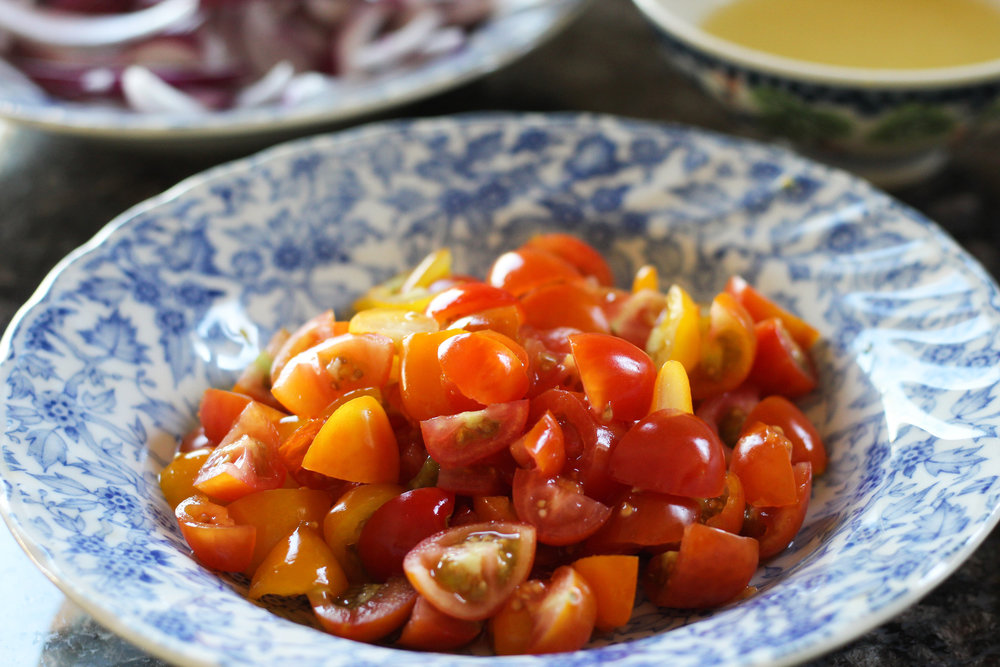
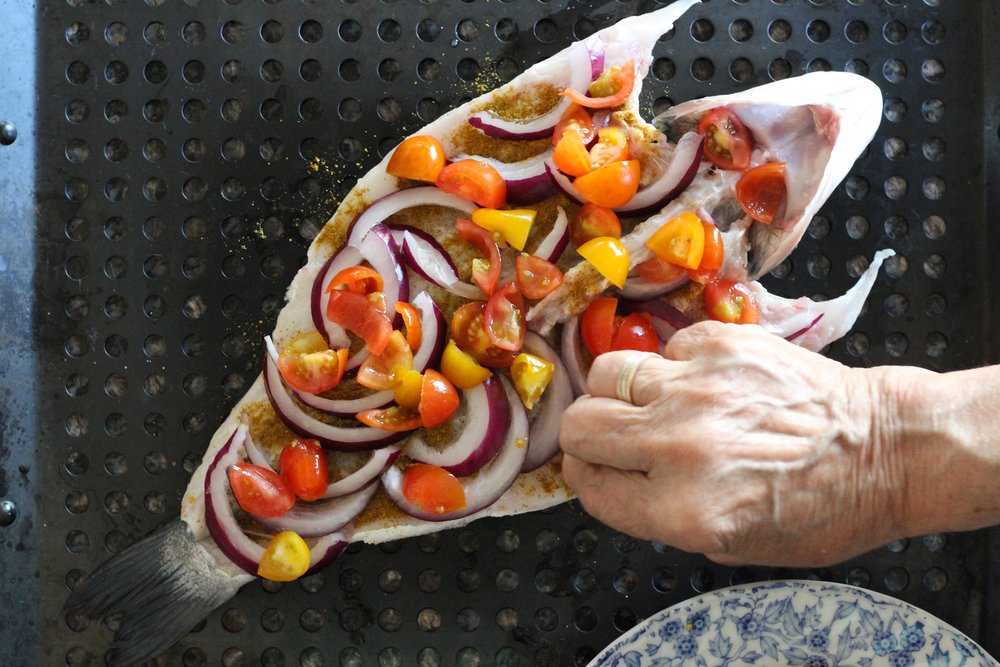
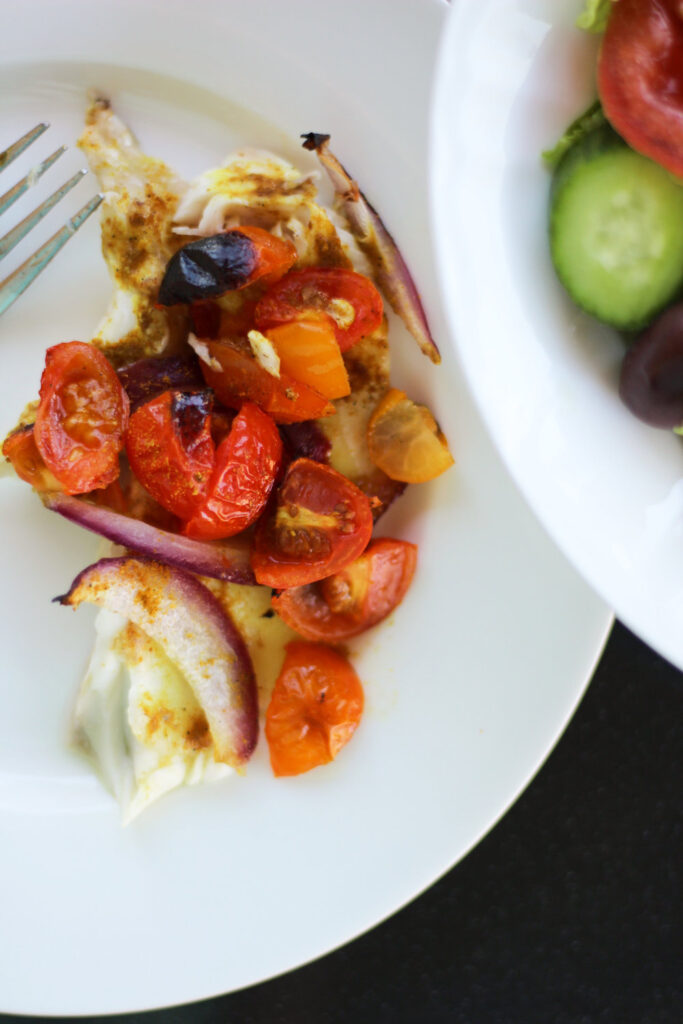
The ingredients list is very flexible. While catfish, carp, and other freshwater fish are traditional, you can use whatever white, lean fish is available to you, such as tilapia, cod, or branzino (pictured here). You just want to avoid things like tuna or salmon. You can use either a whole fish or fillets—it doesn’t make a difference. And check out the Monterey Bay Aquarium’s guide to shopping for sustainable seafood to help prevent overfishing.

Feel free to use whatever kind of tomato, onion, or curry powder you have around the house. My family likes to use yellow curry powders that have a lot of turmeric and fenugreek seeds. But red spice blends like Lebnese seven spices or another baharat blend would work great too. And don’t be ashamed of using a jar of generic yellow curry powder from the spice aisle of the supermarket. This is going to be good, no matter what.
Print

masgouf | Iraqi grilled fish

Print Recipe

5 Stars 4 Stars 3 Stars 2 Stars 1 Star

No reviews

  • Prep Time: 30 minutes
  • Total Time: 1 hour
  • Yield: 2 servings (can easily be multiplied)

Ingredients

For the fish and marinade:

  • 10 ounces white, lean fish fillets, –or- a 16-ounce whole fish, cleaned and butterflied
  • 1 tablespoon lemon juice
  • 1 1/2 teaspoons curry powder
  • 1/2 teaspoon olive oil
  • 1/8 teaspoon salt (or to taste)

For the topping:

  • 1/2 cup large-diced tomatoes
  • 2 tablespoons thinly sliced red onions (fill a quarter cup halfway)
  • 1 tablespoon lemon juice
  • 1 1/2 teaspoons curry powder, divided into 1 teaspoon and 1/2 teaspoon
  • 1/2 teaspoon olive oil
  • 1/8 teaspoon salt

Instructions

  1. Pat the fish dry with paper towels, and place it in a large ziplock bag.
  2. For the marinade: Add the lemon juice, curry powder, olive oil, and salt to the ziplock bag, seal the bag and mix everything around by squeezing the bag a few times. Refrigerate for at least 30 minutes (or up to 4 hours ahead if you want to make it ahead).
  3. When you’re ready to cook the fish, preheat the grill. If you’re broiling, set the oven to broil 5 minutes before you’re ready to cook (all broilers work a little differently, so pre-heating times will vary).
  4. For the topping: Combine the diced tomatoes, sliced red onions, lemon juice, 1 teaspoon curry powder, olive oil, and salt.
  5. Take the fish from the marinade, do not pat it dry, place it on a grill-safe tray (with a rim if you’re using the broiler), and cover with the extra 1/2 teaspoon curry powder.
  6. Top the fish with the tomato mixture and grill or broil until the fish is flaky. Cooking times vary, depending on how big your fish is and how hot your grill is, but you can count on at least 6 minutes.
find us on instagram and let us know what you made!

Filed Under: dairy free, dinner, every recipe, family recipes, gluten free, main courses Tagged With: curry powder, fish, middle eastern, onion, summer

buried cheese | gubta mtumarta

April 15, 2017 by Kathryn Pauline Leave a Comment

My grandmother and I recently went about solving a cheese mystery. On her family‘s farm in north-eastern Syria, they would make a homemade cheese that they would bury under ground in clay pots. They called the cheese gubta mtumarta, which means “buried cheese” in Assyrian. The name tells you more about the way it’s stored, rather than giving any hint of the kinds of cheeses used, which didn’t help us much in backwards engineering her family’s recipe. But luckily, we had some information to go on, and we headed over to the Whole Foods cheese section to try to get to the bottom of things.

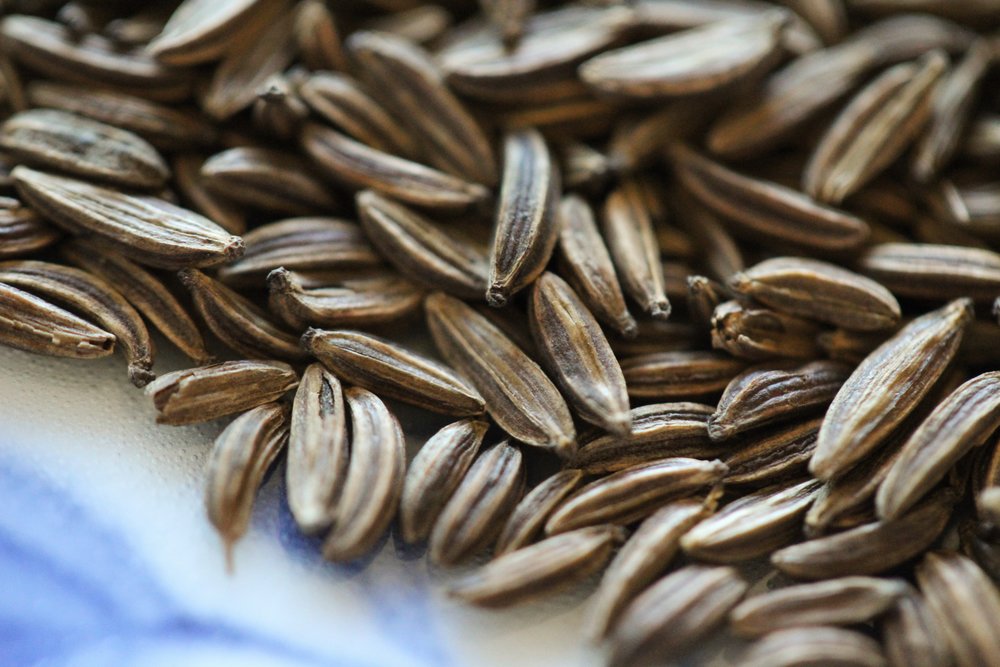
We knew that her family’s gubta mtumarta involved caraway seeds and some combination of three cheeses crumbled together. She remembered the method of preparation really well and remembered lots of details about the cheeses they would use, but it’s really difficult to figure out what cheeses to buy at a supermarket cheese counter in order to best emulate the flavors and textures of farm-made, unnamed Syrian cheeses.

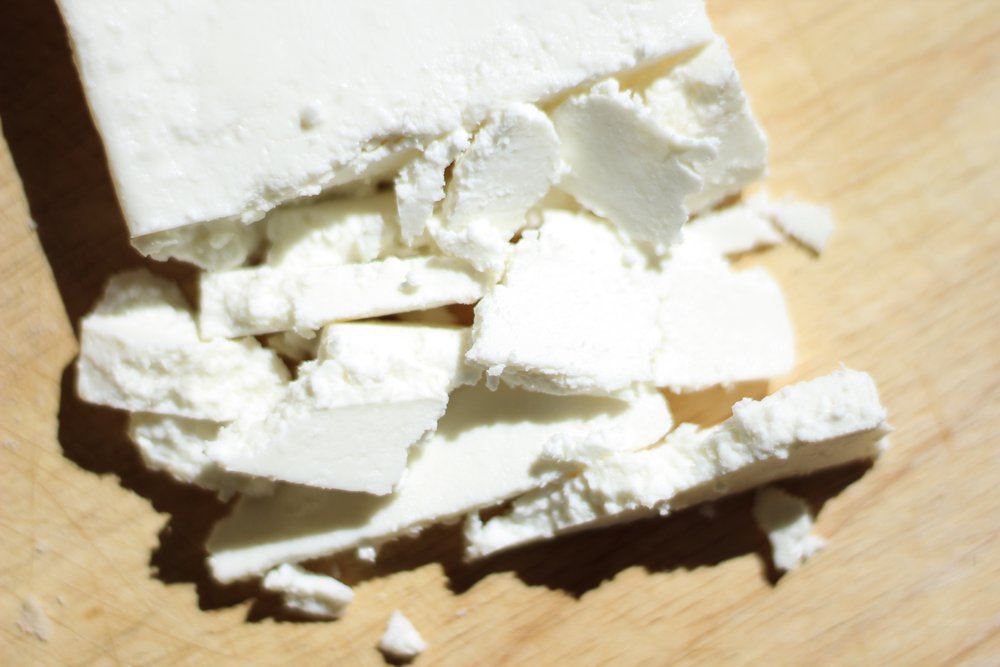
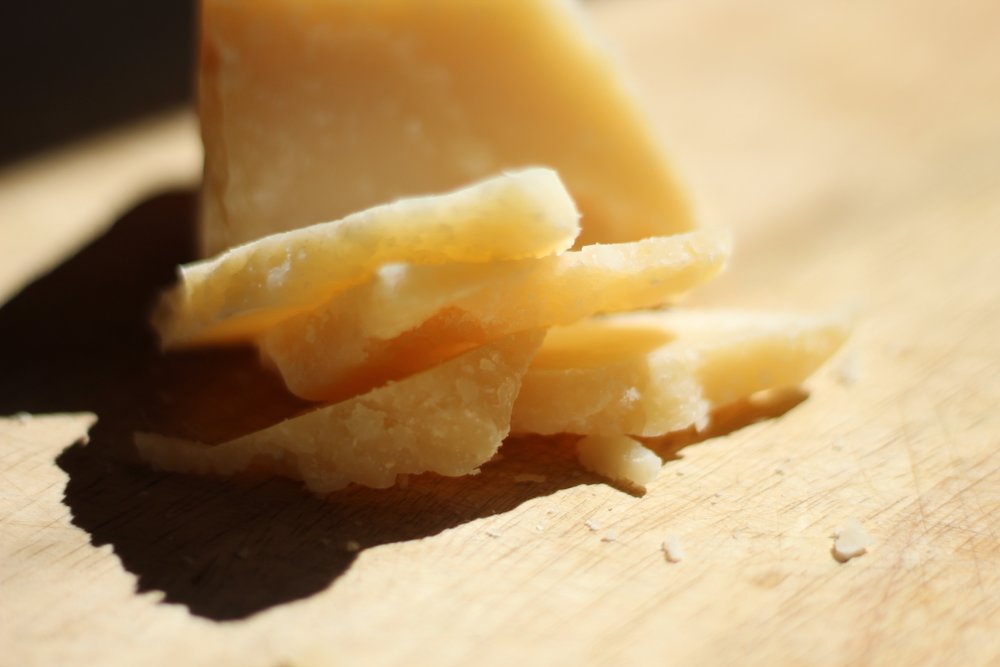
Here was the information we had: The first cheese tasted like feta, but without the brine. It was a not-too-salty, medium-soft cheese that added a creamy texture to the mix, but without adding too much moisture. It bound the crumbly, hard cheeses together. The second cheese was a lot like parmesan–very salty, dry, and crumbly. The third cheese was similarly crumbly, but not quite as salty or hard, with a subtler flavor. The two harder cheeses would get ground up into little pieces and mixed together with the creamier cheese to form a crumbly paste. The harder cheeses would add enough salt to help preserve the softer one and the whole paste would get mixed together with caraway seeds to add a really lovely, distinct flavor that most Americans associate with rye bread.

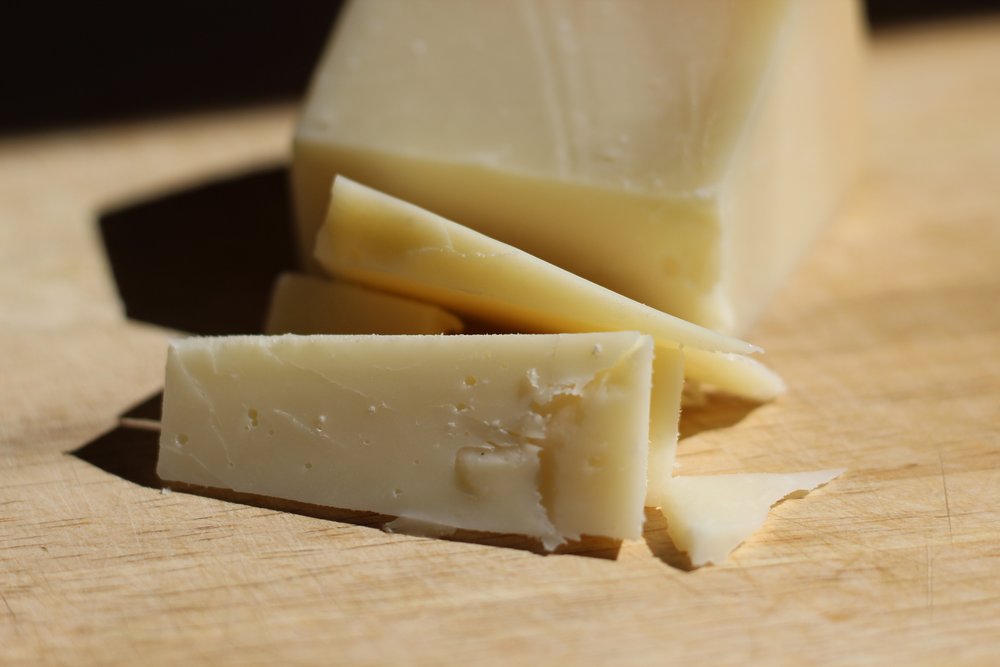
We chose three Mediterranean cheeses for our recipe for gubta mtumarta. For the first, soft cheese, we chose manouri cheese, which is similar to feta, but without the brine and strong feta flavor. The second cheese was easy, since parmesan was the obvious choice. For the third cheese, we found a hard, aged provolone piccante with a little less salt than parmesan and a slightly higher moisture content.

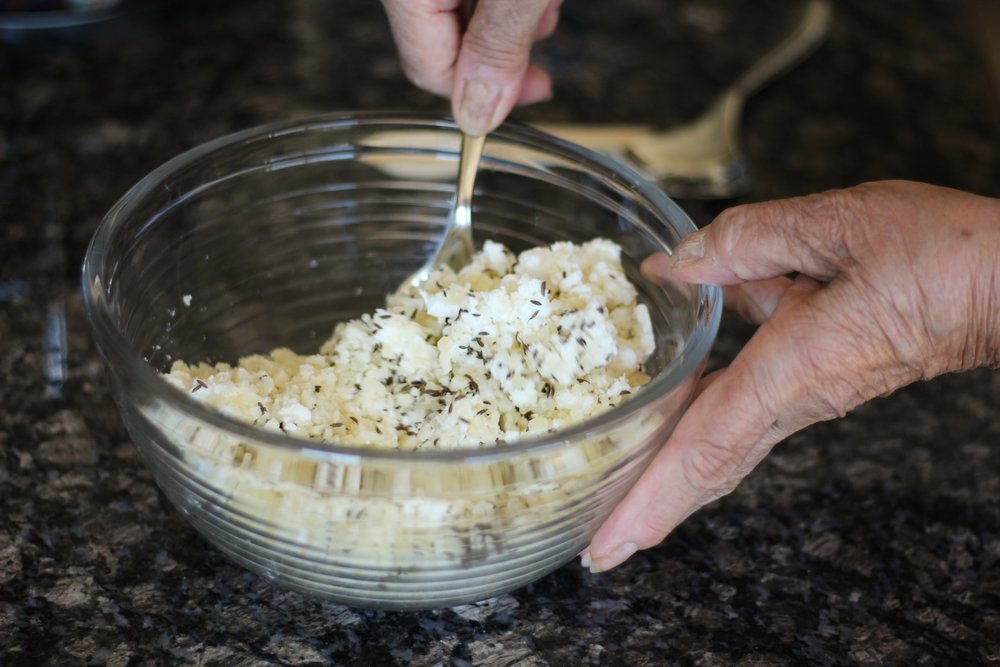
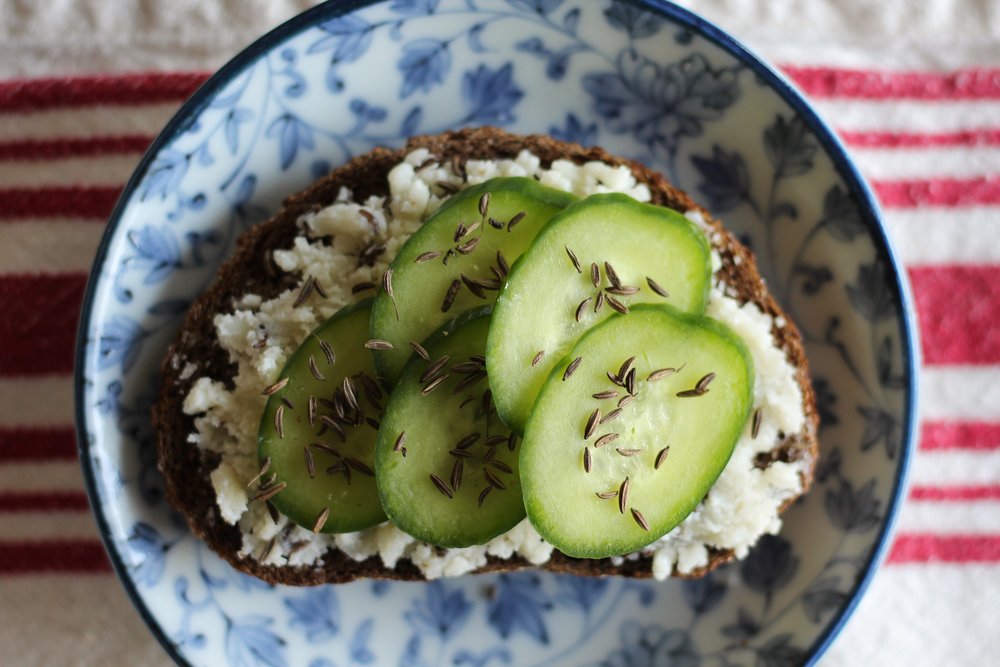
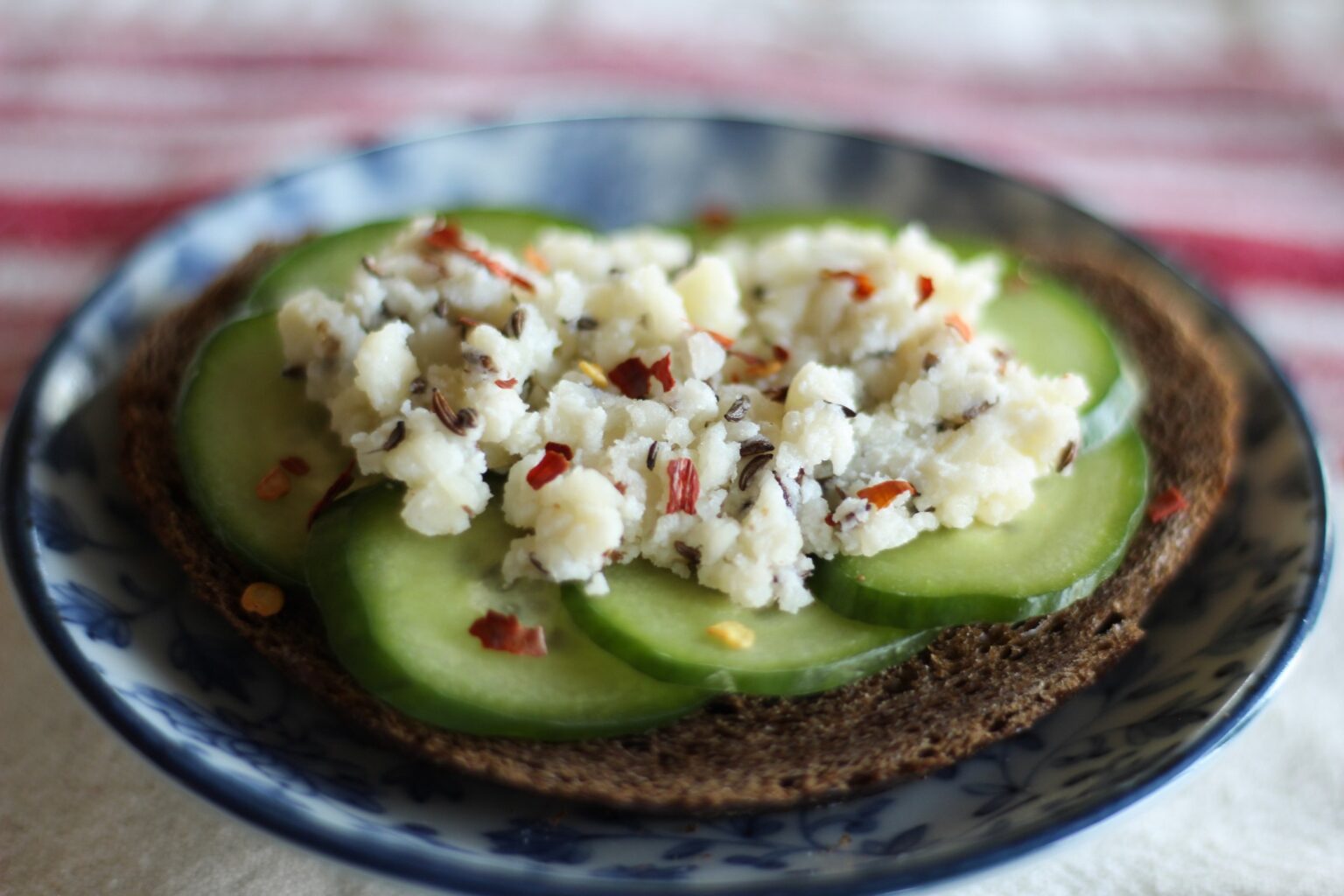
We minced the cheeses finely and combined them with the caraway, and when she tried the finished product she said that she couldn’t wait to deliver some to her brother, Badel, because it was exactly like the gubta mtumarta that she remembered. While I never tried the gubta from their farm, I can confirm that this recipe is beyond delicious spread on toast, melted on a burger, sprinkled on biryani, or added to tabbouleh. On Easter, Yemmah Sourma would put a little cheese in the center of one of the samooneh before baking the rolls, and whichever kid got the cheesy samoon got an extra little gift for Easter. But if you ask me, getting the only samoon full of gubta mtumarta is a gift in itself.

Print

buried cheese | gubta mtumarta

Print Recipe

5 Stars 4 Stars 3 Stars 2 Stars 1 Star

No reviews

Ingredients

2.5 ounces parmigiano reggiano (or another hard, salty cheese, like pecorino romano)
4 ounces provolone piccante (or another sharp, somewhat salty cheese, like an aged asiago)
5 ounces manouri (or another soft, mild, crumbly cheese, like ricotta salata or a mild feta)
1 tablespoon caraway seeds

Instructions

  1. Mince the parmigiano reggiano and the provolone piccante (or other cheeses, if using) by hand or with a food processor. Don’t over-process the hard cheeses–there should be some crumbles that are the size of grains of rice and some the size of grains of sand.
  2. Once the hard cheeses have been ground up, crumble in the manouri (or other cheese, if using) and combine just until everything comes together into a coarse paste.
  3. Stir in the caraway seeds and store the cheese in a jar in the refrigerator. The length of time you can store the gubta will vary, depending on the kind of cheese you’re using, but with the three listed above, you can count on at least a week.

find us on instagram and let us know what you made!

Filed Under: breakfast, dinner, every recipe, family recipes, gluten free, lunch, vegetarian Tagged With: caraway, middle eastern

  • « Go to Previous Page
  • Page 1
  • Interim pages omitted …
  • Page 174
  • Page 175
  • Page 176
  • Page 177
  • Page 178
  • Interim pages omitted …
  • Page 183
  • Go to Next Page »

Primary Sidebar

Kathryn Pauline smiling

Welcome! I’m Kathryn Pauline, cookbook author, recipe developer, and photographer.

What’s new? 🥕

cauliflower frying

Fried Cauliflower

edible cookie dough

A Better Way to Make Edible Cookie Dough

steamed kale

Steamed Kale (without a steamer)

steamed cauliflower

Steamed Cauliflower

strawberry rhubarb jam in a jar with a spoon photographed from overhead

Strawberry Rhubarb Jam

rhubarb cookies

Rhubarb Cookies

Footer

read our privacy policy

© 2017 - 2026 Kathryn Pauline