
• Skip to primary navigation
  • Skip to main content
  • Skip to primary sidebar
  • Skip to footer
Cardamom and Tea
  • Blog
  • Recipes
  • About
  • Cookbooks
    • Piecemeal
    • A Dish for All Seasons (my first cookbook)

I’m a Saveur Blog Awards finalist!

August 9, 2017 by Kathryn Pauline Leave a Comment

Saveur Blog Awards

Dear friends,

I’m so excited to share this news with you, so I will just cut to the chase: I’m a finalist in the Saveur Blog Awards! My category is “Best New Voice,” and I am in the running alongside five other really fabulous new blogs. I feel so honored and I’m so thankful to everyone who nominated me for this.

I know it’s an old Hollywood cliché that “it’s just an honor to be nominated,” but it really is. I couldn’t ask for more… that is, unless you’d like to do a little something extra to show your support!

See, at this point, a few finalists have been chosen from the tens of thousands of submissions, and it’s time to put it to a vote. If you like Cardamom and Tea and want to see my blog win readers’ choice for Best New Voice, head over to Saveur to cast your vote. While you’re there, vote for all your favorite blogs and discover a few new ones!

Voting starts now and ends soon, and (apparently!) you can vote as many times as you’d like. My sincerest gratitude to you for your support!

Very sincerely,
Kathryn
Filed Under: Uncategorized

build your own tabbouleh

August 6, 2017 by Kathryn Pauline Leave a Comment

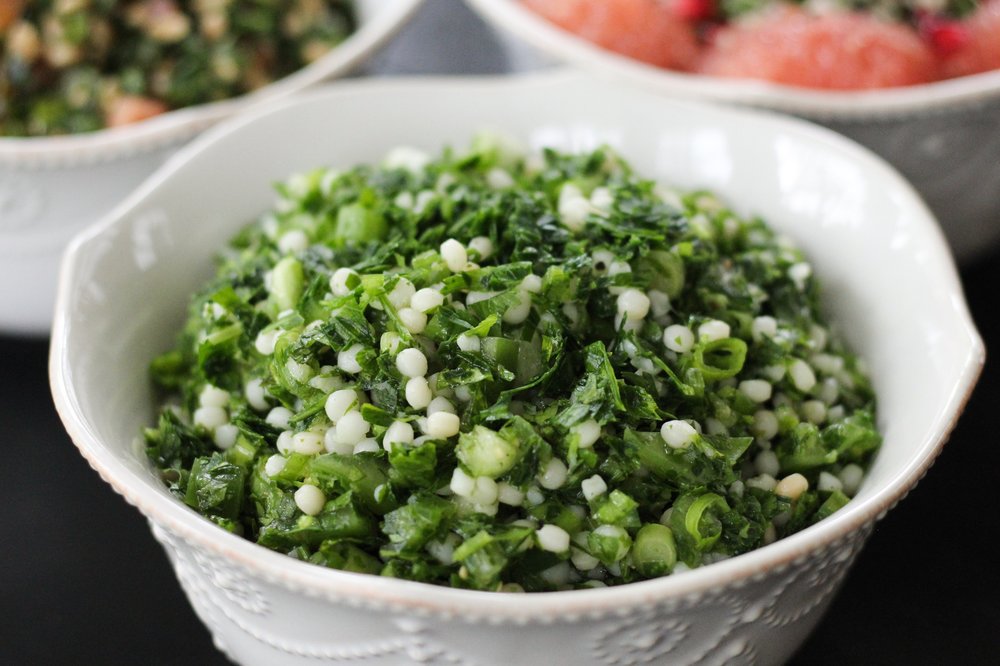
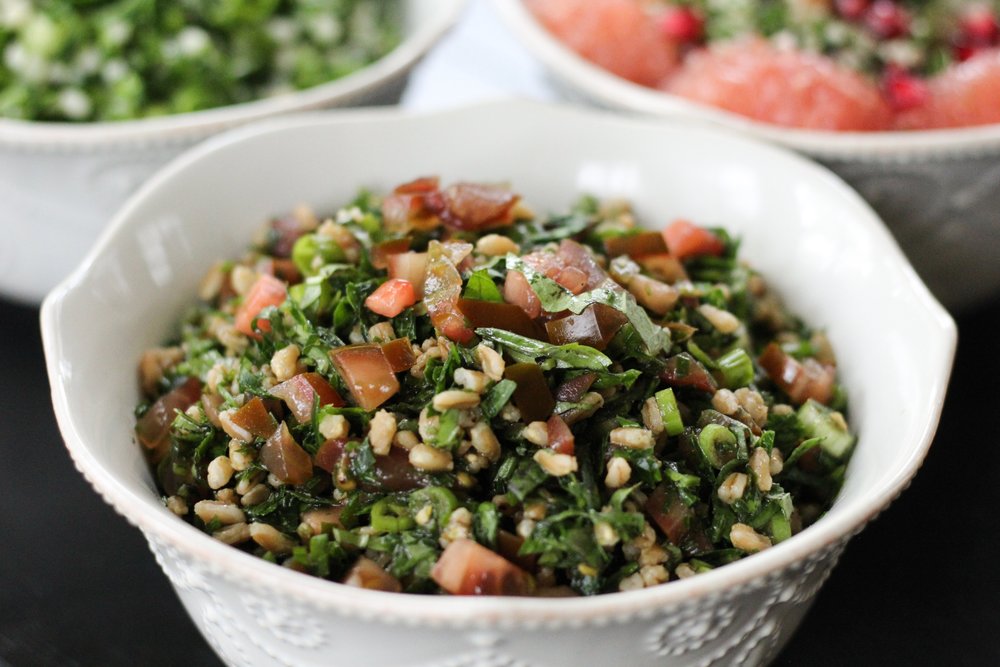
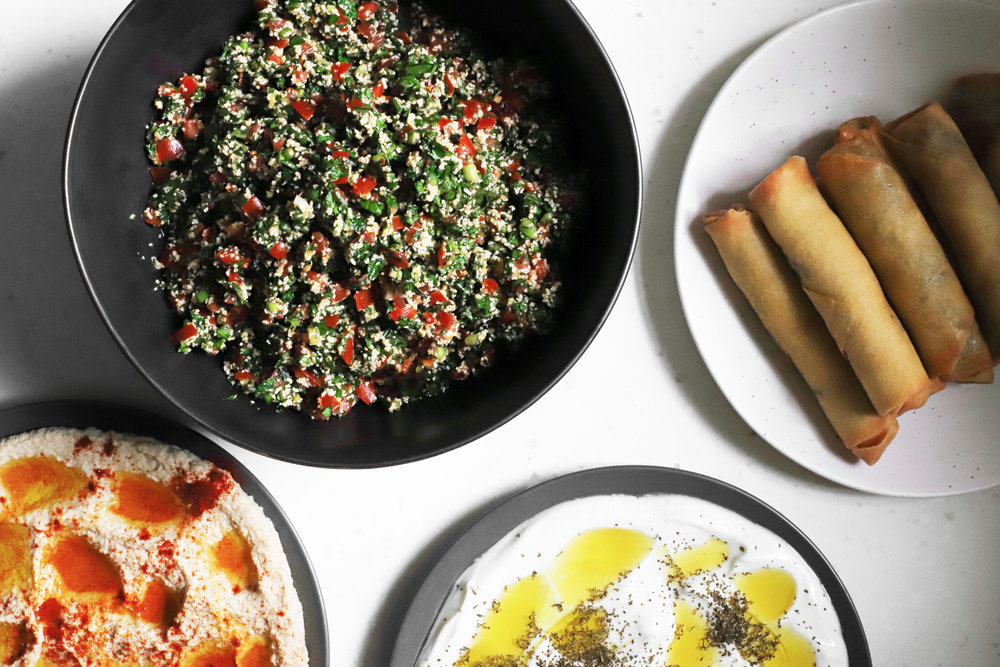
My grandmother grew up eating this classic tabbouleh on her family’s farm in Syria, and I usually make it the same way she and my mother taught me. But sometimes tabbouleh inspires me to improvise. And in the words of Wynton Marsalis, “improvisation isn’t a matter of just making any old thing up.” It’s important to understand the bare bones of tabbouleh, and to learn more about the tradition, so that you can thoughtfully and respectfully create something new.

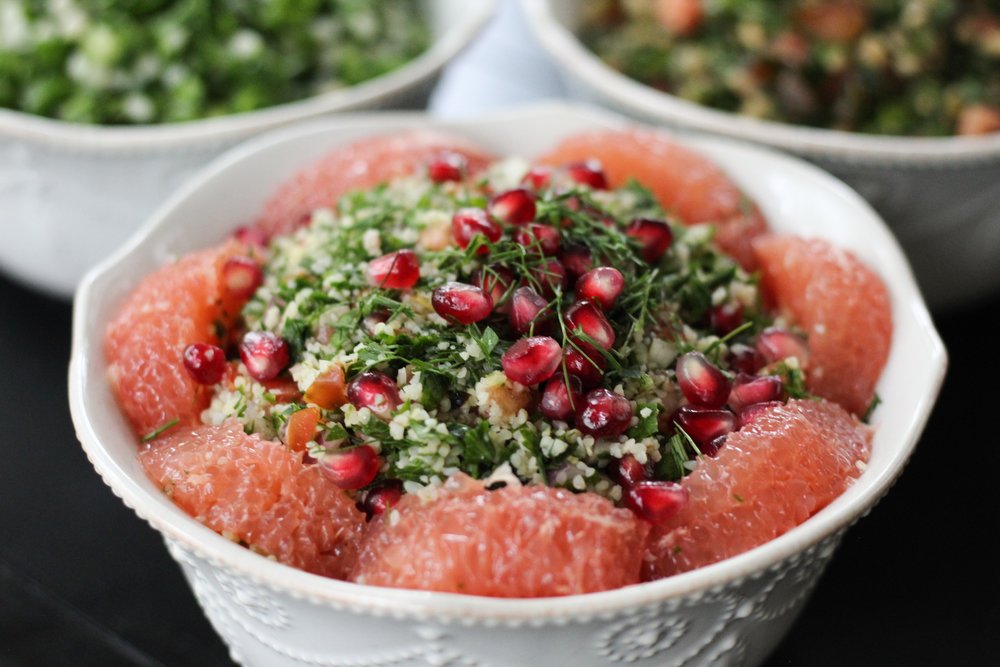
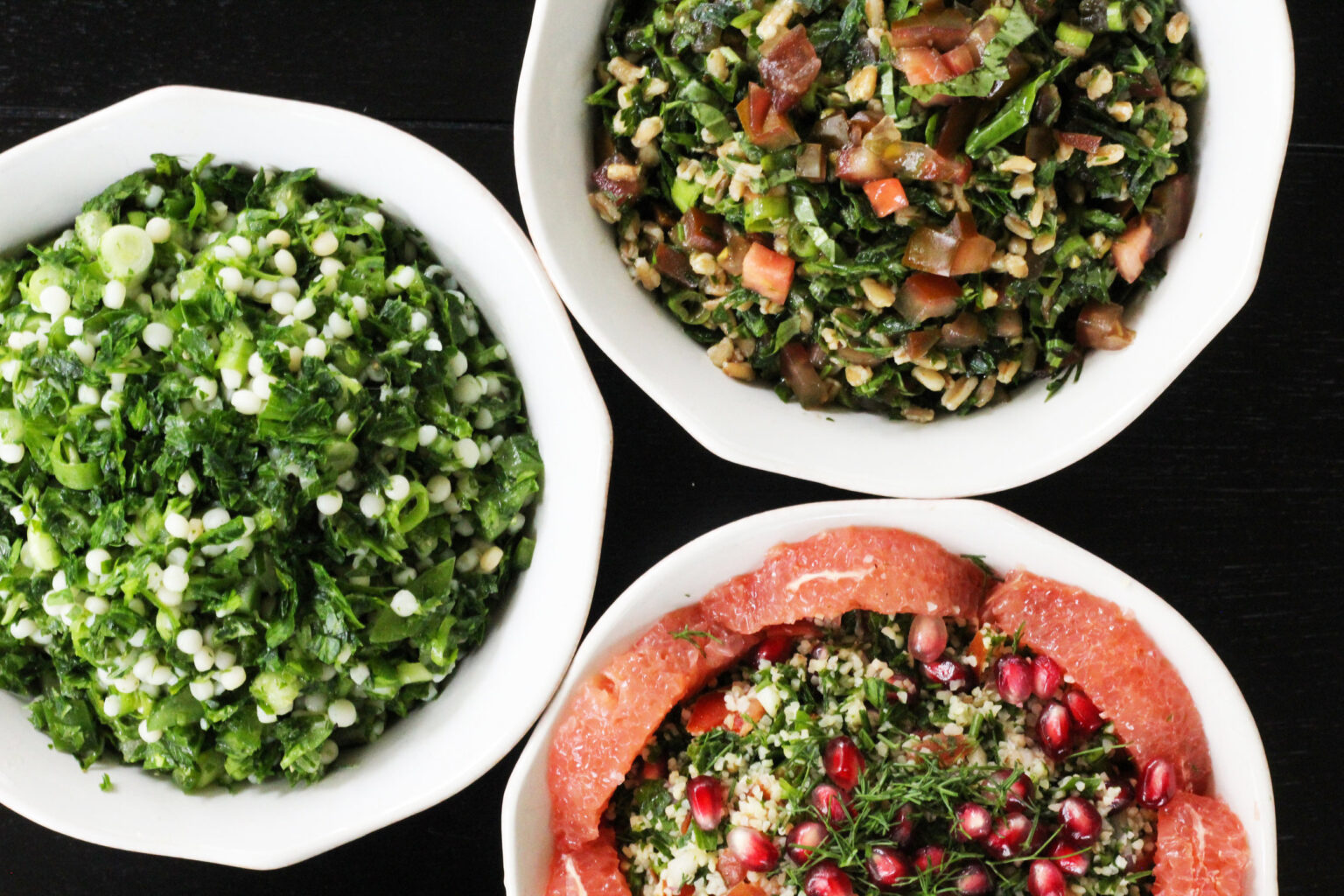
Most importantly, tabbouleh must be diced very finely. This means that you should dry your herbs until they don’t have a single drop of water left clinging to them (a salad spinner works best), and use a very sharp knife. If there’s an ingredient you really want to include, which can’t easily be minced (take grapefruit supremes, for instance, which I use in my ruby fennel tabbouleh), I recommend dicing them large and forming a border around the tabbouleh. There should never be large diced veggies floating around in the tabbouleh itself.

Tabbouleh also must include a few necessary ingredients, but I like to think of these ingredients as categories instead of specific foods. A tabbouleh must have a grain, parsley, one or two supporting herbs, some kind of onion, tomato (though this is sometimes omitted), olive oil, acid (usually citrus), salt, and pepper. Sometimes tabbouleh includes another finely minced fruit or veggie, but this is totally optional.

The proportions of these ingredients are also really important. The most important ratio is parsley to bulgur, but there’s no real consensus, except that good tabbouleh doesn’t use too much bulgur. How to define “too much” is really debatable, and I tend to use a lot more bulgur than Anissa Helou or Yotam Ottolenghi, but still a lot less bulgur than many restaurants. The key is to avoid thinking of parsley as a seasoning for the grains—just remember that it’s a core component of the salad, if not the most important ingredient.

I’ve come up with my own tabbouleh formula, but there are many different schools of thought and cultural traditions, and this is just one way to think about it. So use the guide below to come up with your own tabbouleh creation, or feel free to check out some of my tabbouleh varieties.

  • tomatillo tabbouleh verde
  • tabbouleh margherita
  • ruby fennel tabbouleh
  • classic tabbouleh
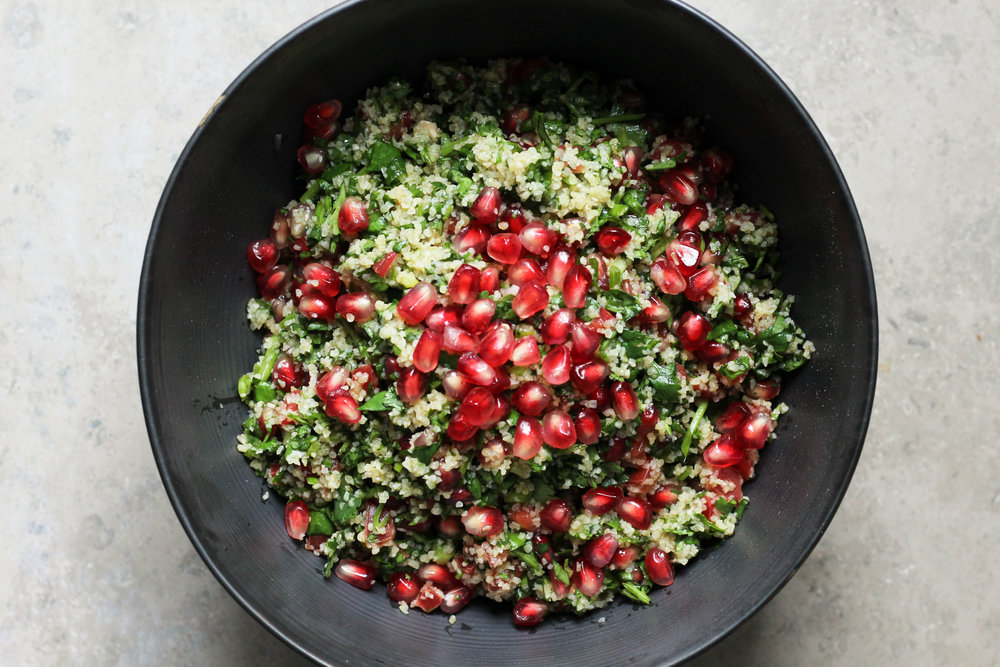
  • cilantro pomegranate tabbouleh

my tabbouleh formula

1/2 cup grain, cooked or soaked
1 cup minced parsley
1/4 to 1/2 cup minced supporting herbs
1/4 to 1/2 cup minced onion
1 cup minced tomato
1/2 cup minced fruits or veggies
2 tablespoons extra virgin olive oil
1 1/2 tablespoons to 1/2 cup acid, to taste
Salt and pepper to taste

ingredient inspiration

grains: burghul/bulgur, quinoa, farro, fine or pearl couscous, cauliflower “rice,” wheat berries, barley

supporting herbs: mint, thyme, cilantro, basil, dill, fennel fronds, oregano

acids: lemon juice, balsamic vinegar, red wine vinegar, lime juice

extra fruits and veggies: tomatoes, tomatillos, fennel, cucumbers, grapefruit, hot peppers, bell peppers, zucchini, artichokes, pomegranate seeds

onions: red onion, green onion, white onion

Filed Under: appetizers, dairy free, dinner, every recipe, gluten free, lunch, meze, salads, vegan, vegetarian Tagged With: fall, herbs, lemon, pomegranate, spring, summer, tomato, winter

  • « Go to Previous Page
  • Page 1
  • Interim pages omitted …
  • Page 158
  • Page 159
  • Page 160
  • Page 161
  • Page 162
  • Interim pages omitted …
  • Page 183
  • Go to Next Page »

Primary Sidebar

Kathryn Pauline smiling

Welcome! I’m Kathryn Pauline, cookbook author, recipe developer, and photographer.

What’s new? 🥕

cauliflower frying

Fried Cauliflower

edible cookie dough

A Better Way to Make Edible Cookie Dough

steamed kale

Steamed Kale (without a steamer)

steamed cauliflower

Steamed Cauliflower

strawberry rhubarb jam in a jar with a spoon photographed from overhead

Strawberry Rhubarb Jam

rhubarb cookies

Rhubarb Cookies

Footer

read our privacy policy

© 2017 - 2026 Kathryn Pauline