• Skip to primary navigation
  • Skip to main content
  • Skip to primary sidebar
  • Skip to footer
Cardamom and Tea
  • Blog
  • Recipes
  • About
  • Cookbooks
    • Piecemeal
    • A Dish for All Seasons (my first cookbook)

crostini: 12 topping ideas + build-your-own

June 27, 2025 by Kathryn Pauline 8 Comments

Welcome to the ultimate crostini post. This post has:

  • 9 fab crostini ideas
  • 4 seasonal ideas 🌞🍂❄️🌱
  • A quick how-to guide
  • A design-your-own crostini recipe

9 crostini topping ideas

Let’s start out with some crostini ideas. Take a little piece of toast, and top it with any of the following combinations:

9 kinds of crostini, numbered and described in the text after the image
  1. Sweet potato, blue cheese, date, sage
  2. Bruschetta with Sicilian olives
  3. Nectarine, corn, basil, cheddar
  4. Ricotta, radish, mint
  5. Cream cheese, cucumber, salmon, capers, pickled onion, everything bagel seasoning
  6. Taramosalata, chives, lemon
  7. Feta, tomato, basil, anchovy
  8. Brie, clementine, pistachio, honey
  9. Ricotta, asparagus, parsley, balsamic, black pepper

4 seasonal crostini

summer

  • Just-ripe yellow peaches, grilled
  • Aged Cheddar cheese
  • Lightly toasted pine nuts
  • Basil
  • Honey
  • Sea salt

fall

fall crostini
  • Brie
  • Whole pecans
  • Orange marmalade
  • Pomegranate arils
  • Orange zest
  • Sea salt

winter

winter crostini
  • Blue cheese
  • Ripe Fuyu persimmons, sliced
  • Balsamic reduction
  • Ground/chopped pistachios
  • Dried mint (optional)
  • Sea salt

spring

spring crostini
  • Shelled peas
  • Ricotta
  • Fresh mint leaves
  • Nigella seeds
  • Lemon zest
  • Sea salt
  • Fresh lemon juice*

*add immediately before serving or the lemon juice will turn the peas brown)

A quick how to

Toasting the bread

Start by slicing your bread pretty thinly (½ in [13 mm]). After slicing, choose 1 of 3 ways to get it crisp and toasty:

  • Grill them: Brush each bread slice with a very light layer of oil on each side. Next, place on the grill for 1 to 2 minutes on each side, with the grill lid open, just until very slightly charred and golden brown.
  • Use your oven’s broiler: Place on a sheet pan in a single row. Place under your oven’s broiler, and do not look away or it will burn. This takes less time than using the toaster, but it requires more diligence. Brush with oil afterwards.
  • Use a toaster: Use the regular-old toast setting. This is a bit more tedious, but there’s less chance of burning. Brush with oil afterwards.

Prepping ahead

So you want to make crostini ahead of time for a party? Here are two lists: what to do ahead of time and what to do at the last minute!

AHEAD OF TIME TASKSLAST MINUTE TASKS
1. slice or break pieces of cheese into chunks1. toast the bread
2. grill, roast, blanche, or prep any vegetables2. assemble the crostini
3. make any other components, like reductions, candied nuts, etc.
4. slice the bread

The cheeseboard rule

When coming up with your own crostini, you can use the cheeseboard rule for inspiration: When confronted with a cheeseboard, what would you put together to make the perfect bite? Whatever that is, put it together on a crostini!

Print

Crostini: 12 topping ideas + build-your-own

crostini with various toppings
Print Recipe

5 Stars 4 Stars 3 Stars 2 Stars 1 Star

5 from 4 reviews

Ingredients

  • One 10½ oz [300 g] baguette, cut into thirty ½ in [13 mm] slices
  • Olive oil, for brushing
  • 5 to 7 oz [140 to 200 g] cheese, broken into bite-size chunks or slices
  • 14 oz [400 g] seasonal produce
  • Something sweet, for topping
  • ¼ cup [35 g] nuts or seeds (optional)
  • Up to 1 cup [40 g] leafy herbs, or 2 to 4 Tbsp [10 g] woody herbs
  • Sea salt (optional)

Instructions

Toast the bread slices (using a toaster, broiler, or grill) until golden brown, brush lightly with olive oil, and set aside on a plate. Top each toast with a slice or swipe of cheese, one or two pieces of produce, a drizzle or swipe of something sweet, a sprinkling of nuts or seeds, and a few herbs. Finish with a tiny pinch of sea salt, if desired.

Notes

For more ideas, see the ideas above this recipe.

find us on instagram and let us know what you made!

Psst… by the way, I wrote a whole cookbook of adaptable recipes like this one. It’s called A Dish for All Seasons!

Check it out for adaptable base recipes + ideas for seasonal (and evergreen!) variations

Filed Under: appetizers, every recipe, side dishes, vegetarian, weeknight Tagged With: herbs, nuts

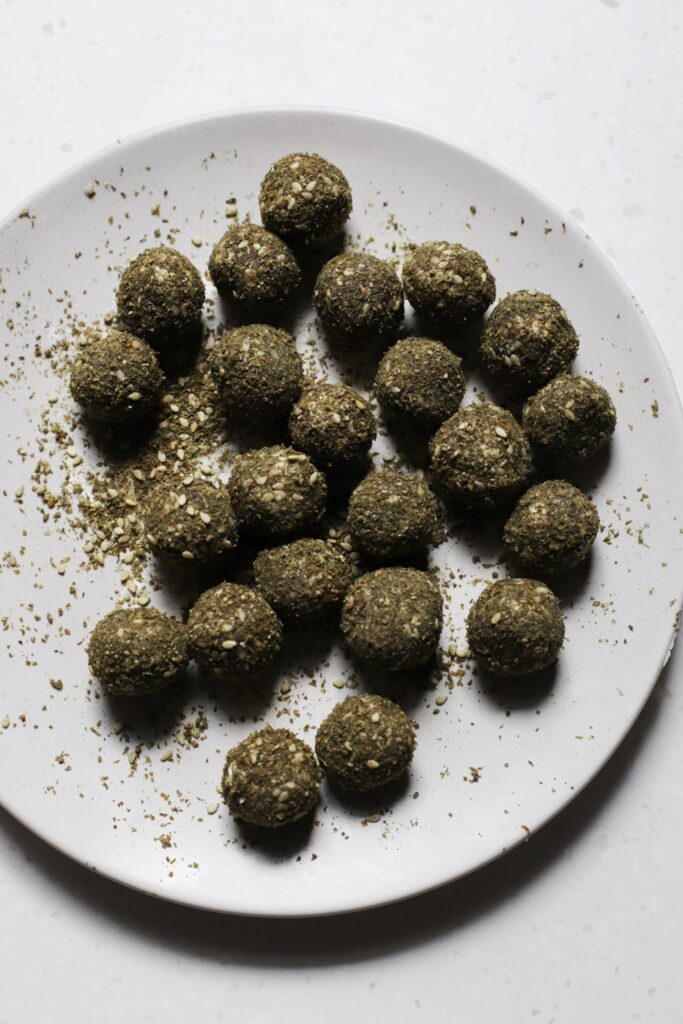
za’atar

June 25, 2025 by Kathryn Pauline Leave a Comment

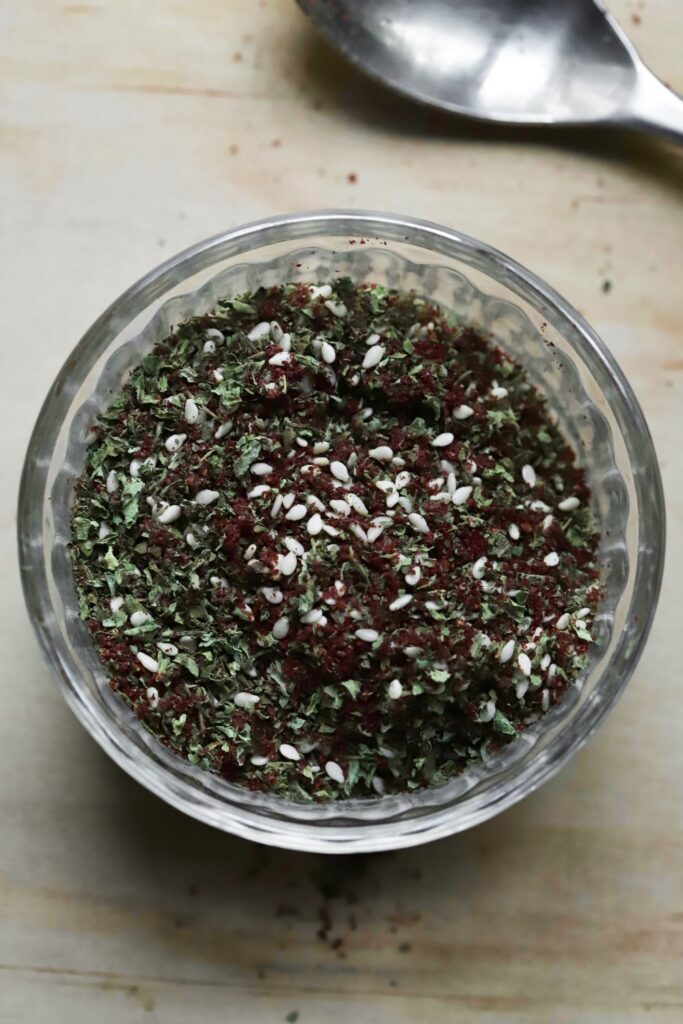
I don’t have a ton of hot takes, but I will go ahead and make one here: Most of the internet is getting za’atar wrong. This post is my effort to set the record straight.

Let’s start with the good news: The best za’atar recipe is also the absolute easiest recipe, because it involves driving to the store or shopping online for a bag of the real deal.

So why can’t you just blend your own from ingredients you might find at the supermarket?

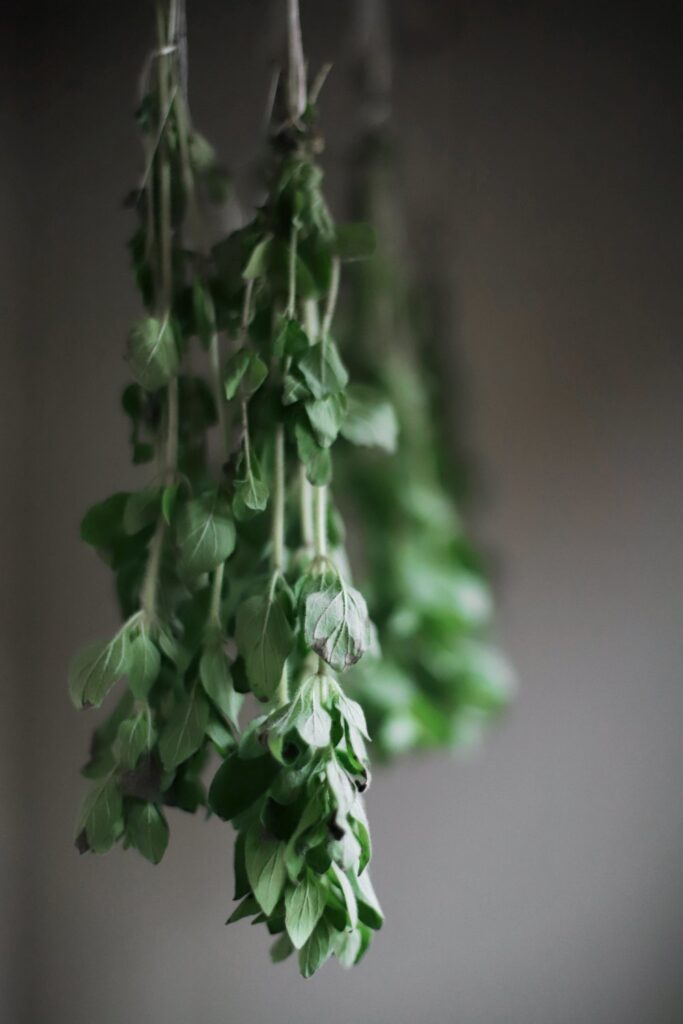
Za’atar is often described in English as “wild thyme.” And many recipe writers insist that you can blend your own by using any old thyme and combining it with sumac and sesame seeds. But the wild thyme in za’atar has very little in common with the kind of thyme you’ll most often find in US supermarkets in those little plastic shakers.

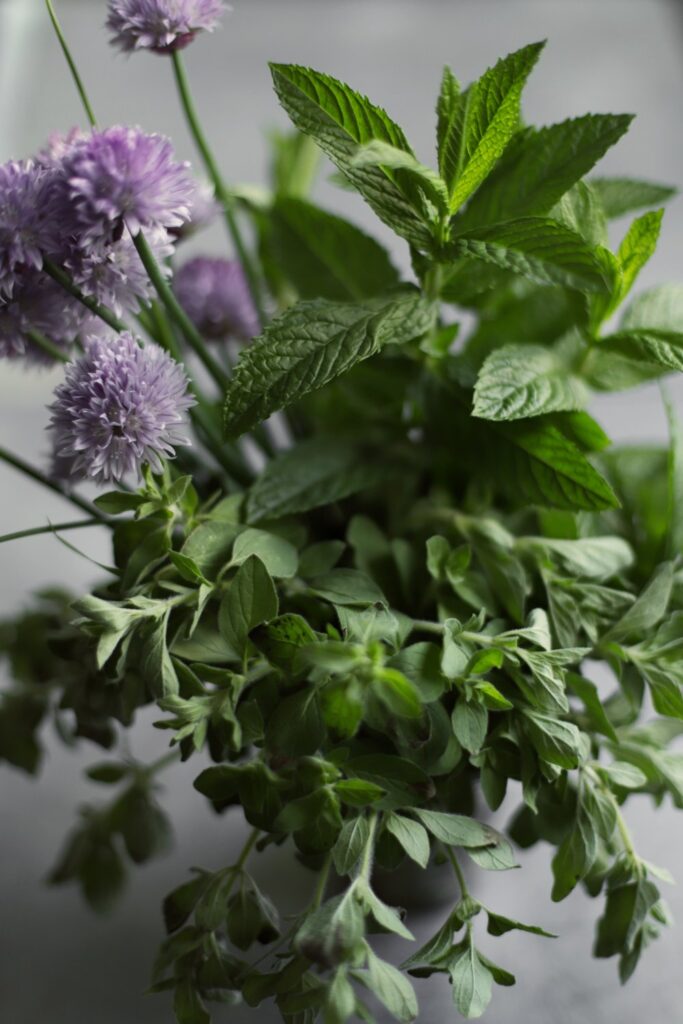
I had never had access to fresh, wild thyme before my friend Mai brought me a bouquet of herbs, including a bunch of real wild thyme, which absolutely blew my mind and inspired me to write this post. Now I know the difference!

I do have a recipe at the end of this post, but I highly recommend reading on before skipping to it. This is an herb that needs to be understood fully before you make your own blend.

This post contains affiliate links (learn more).

what is the deal with za’atar?

what is za’atar, the herb?

It’s a wild herb, which grows in the eastern Mediterranean. It’s kind of similar to oregano or thyme, but it’s its own thing.

ok but is za’atar thyme? … or what?

Sorta-kinda! Za’atar is a family of wild herbs. The wild varieties are related to things like oregano and thyme, but are not the same as the thyme that’s sold in most US supermarkets.

Wild thyme is as different from French thyme as Thai basil is from Italian basil—you wouldn’t use Thai basil in a marinara recipe that calls for Italian basil (unless you were getting creative with it).

I thought it was a blend of herbs and spices—true or false?

“Za’atar” is both the name of the herb and the name of the herb/spice blend. It’s often mixed with sesame and sumac (among other things), and everyone’s blend is different.

how can I find the best za’atar?

I personally really like Ziyad’s (affiliate link). Buy a brand from your favorite Middle Eastern market and enjoy! You can also find it on Amazon and elsewhere online. As long as it’s from a Middle Eastern source, you can probably count on getting the real deal.

what if I want to blend my own?

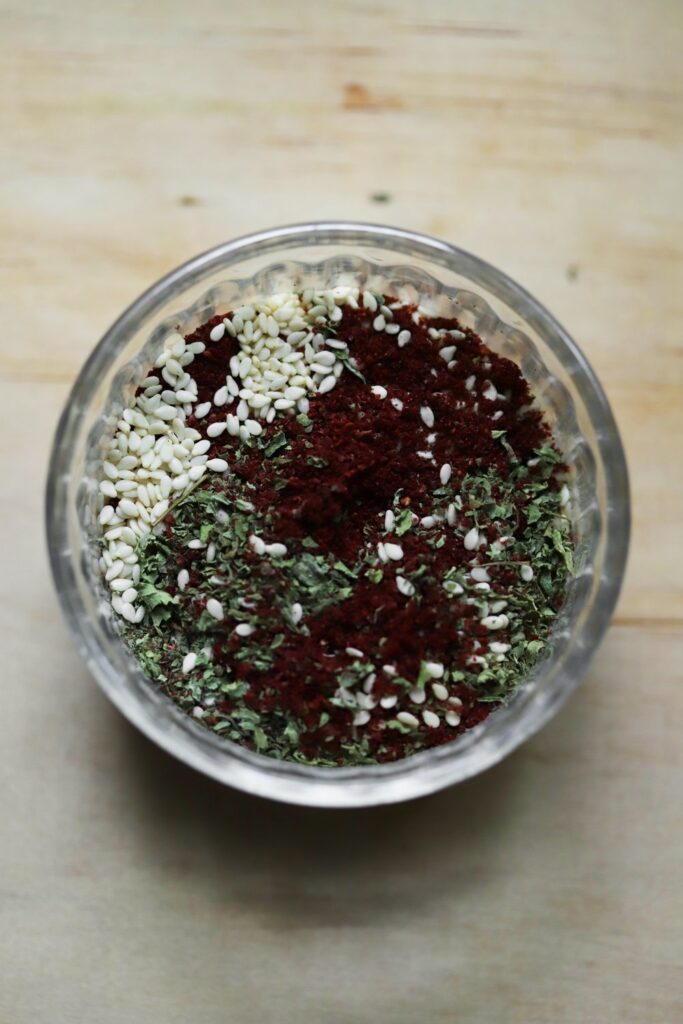
I mean, herbs are delicious! If you use whatever thyme is available to you, I’m sure it’ll be tasty. I like to use 1 part sumac, 1 part thyme, and 1 part sesame. But the resulting blend will be very different from those found in Middle Eastern markets.

In the meantime, check out a few of my favorite recipes featuring this herb blend (or visit the archives for a full list), and enjoy!

A note on authenticity

While wild thyme and French thyme are really quite different, I’m not exactly claiming that a za’atar recipe made from French thyme is “inauthentic”—it’s just important to acknowledge that it’s very different from what most people in the Middle East mean when they say “za’atar.” Lots of folks (my family included) have learned to make do with the ingredients available in their new home after immigrating.

za’atar recipes

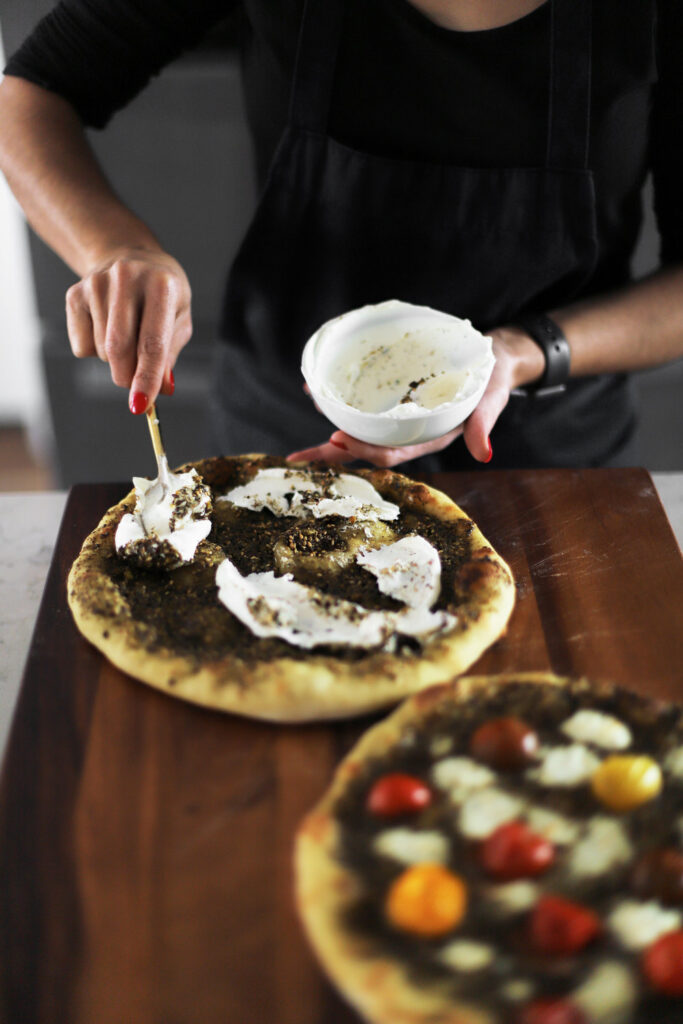
  • Za’atar Chicken
  • Grain Bowls (with any ingredients)
  • za’atar chicken and waffles
  • Kale Greek Salad with orange supremes
  • white bean salad with za’atar labneh balls
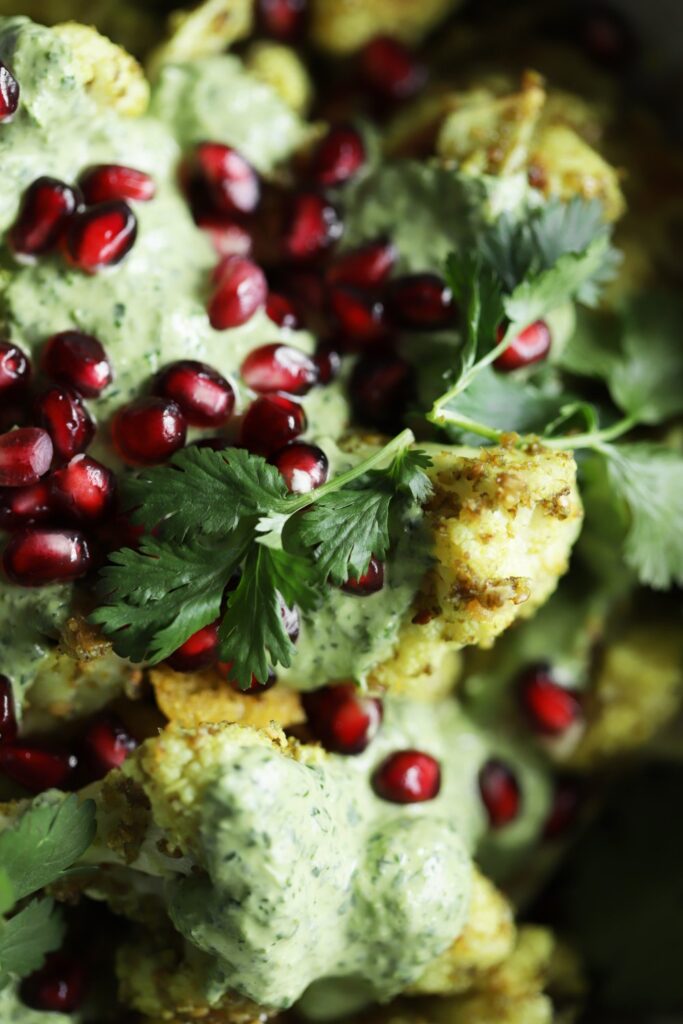
  • za’atar cauliflower
  • fennel salad with za’atar dressing
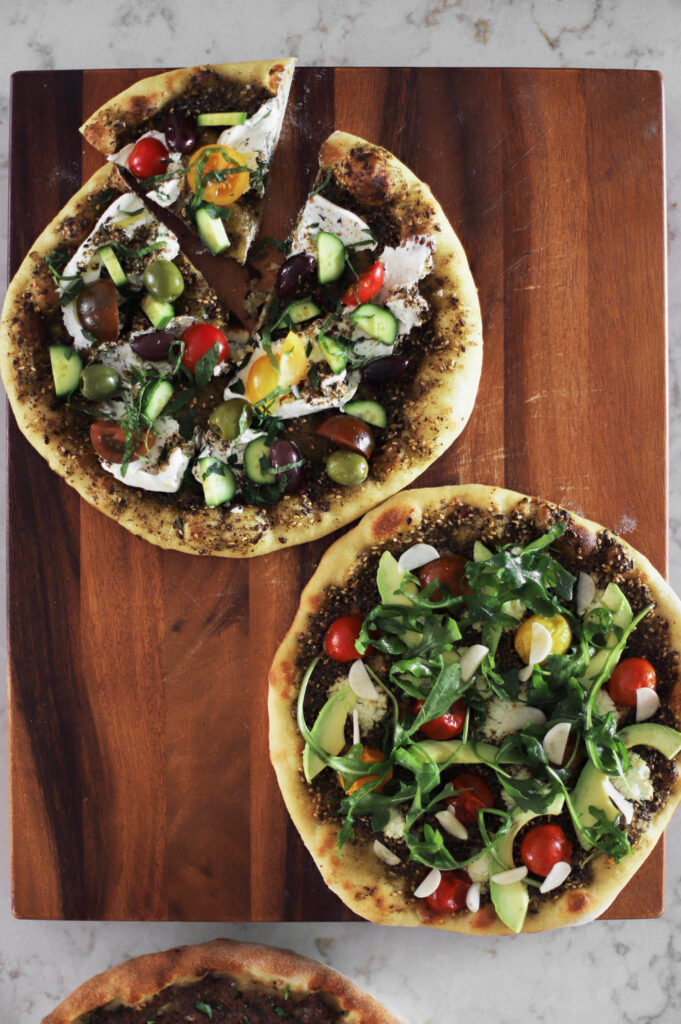
  • za’atar manakish + variations
  • za’atar breakfast skillet
  • a cook for Syria supper club
Print

za’atar recipe

Print Recipe

5 Stars 4 Stars 3 Stars 2 Stars 1 Star

No reviews

Ingredients

  • 1 part dried wild thyme
  • 1 part sumac
  • 1 part sesame seeds

Instructions

Combine all ingredients and store in a jar at cool room temperature.

Alternatively, if you don’t have access to wild thyme, you can buy a bag of za’atar from a Middle Eastern market or online. This actually my recommendation for the best za’atar (no need to blend it with anything!). Check out the article above this recipe for more info on why.

Notes

Note that measurements are all 1 part by volume (so 1 tablespoon, 1 tablespoon, 1 tablespoon; or 1 cup 1 cup 1 cup).

find us on instagram and let us know what you made!

Filed Under: specialty ingredients Tagged With: middle eastern

  • « Go to Previous Page
  • Page 1
  • Interim pages omitted …
  • Page 41
  • Page 42
  • Page 43
  • Page 44
  • Page 45
  • Interim pages omitted …
  • Page 183
  • Go to Next Page »

Primary Sidebar

Kathryn Pauline smiling

Welcome! I’m Kathryn Pauline, cookbook author, recipe developer, and photographer.

Footer

read our privacy policy

© 2017 - 2026 Kathryn Pauline