• Skip to primary navigation
  • Skip to main content
  • Skip to primary sidebar
  • Skip to footer
Cardamom and Tea
  • Blog
  • Recipes
  • About
  • Cookbooks
    • Piecemeal
    • A Dish for All Seasons (my first cookbook)

kebab burgers | kebabeh gu samooneh

March 15, 2017 by Kathryn Pauline 2 Comments

My mom is always cooking something delicious for someone. Last night, I called her to talk and she was chopping tabbouleh for my sister’s boyfriend just because she knows it’s his favorite and wanted to send some over. She plans huge family dinners all the time, and when she has to plan a big meal at the last minute, you’d never know that she didn’t spend all week cooking. The secret to her effortless entertaining is the Assyrian kebab.

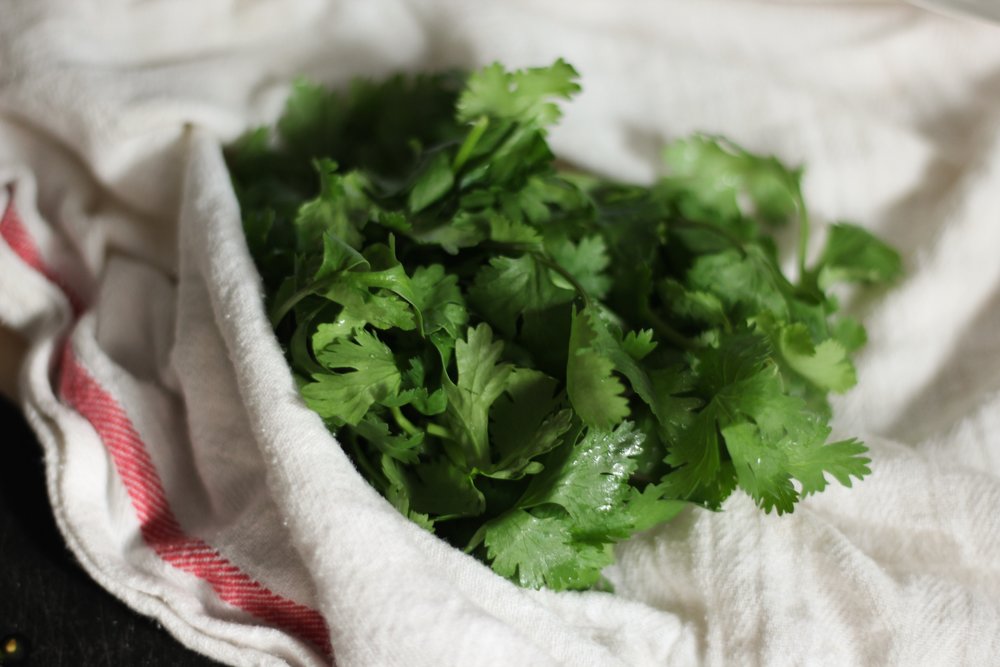
The key to a good kebab is to completely overload it with herbs. This is what makes it both easy and impressively flavorful. My family uses a ton of cilantro and a decent amount of green onions, so that every bite has an intensely herby flavor. Feel free to experiment with this recipe, as long as you capture the essence of kebabeh—that is, the intensely herby flavor.

We usually serve them on samoon bread, which is available in many Middle Eastern markets, and if you can’t find it, you can always make your own samoon. But if you don’t feel inclined to bake your own, you can use any other bun or bread. Assyrian food is a diaspora cuisine, so it’s not unheard of to eat a kebab on a parker house roll or a Hawaiian roll. We shape kebabs into an oval shape, which nicely matches the oval shape of samoon, but you can use whatever shape makes sense for the bread you have.

My family often eats kebabs plain, but you can add a lot of toppings to make it more of a special occasion food. We sometimes add sliced cucumbers and tomatoes, as well as a dry salsa of sumac, parsley, and green onions.

Print

kebab burgers | kebabeh gu samooneh

Print Recipe

5 Stars 4 Stars 3 Stars 2 Stars 1 Star

No reviews

  • Yield: 12 patties

Ingredients

  • 1/4 cup finely chopped parsley
  • 3 tablespoons finely chopped green onions *
  • 1 tablespoon + 1 teaspoon sumac (or 2 tablespoons lemon juice)
  • 1/4 teaspoon fine sea salt or table salt (or to taste)
  • 2 1/2 pounds ground beef (a combination of chuck and sirloin, or a mix that is about 80% lean)
  • 1 cup chopped cilantro leaves *
  • 1/2 cup chopped green onions *
  • 2 teaspoons kosher salt (or 1 1/2 teaspoon fine sea salt/table salt), or to taste
  • 1/4 teaspoon black pepper, or to taste
  • About 2 to 3 thinly sliced plum tomatoes (for serving)
  • About 2 to 3 thinly sliced small Persian cucumbers (for serving)
  • Samoon or any other kind of bread (lawash, pita, or even burger buns all work great)

Instructions

  1. For the dry salsa: Combine parsley, green onions, sumac, and 1/4 teaspoon salt, and set aside.
  2. Preheat a gas or charcoal grill to medium high heat (or turn your oven’s broiler on 5 to 10 minutes before you’re ready to cook the patties).
  3. Combine the ground beef with the cilantro, green onions, kosher salt, and black pepper. Mix everything just until it comes together. Do not over-mix or your kebabs will be tough and rubbery.
  4. Shape the kebabs into approximately 12 ovals.
  5. Grill or broil for about 5 to 7 minutes per side until they are cooked all the way through. **
  6. Serve the kebabs on samoon (or your bread of choice), topping each with a heaping teaspoon of the salsa, and a couple slices of tomato and cucumber.

Notes

* For grocery shopping purposes, this normally comes out to about 1 bunch cilantro and 1 bunch green onions (with the onion bunch split between the two components of the dish).

** Kebabs are most often served medium-well or well, but you can serve yours medium rare if that’s what you prefer.

find us on instagram and let us know what you made!

Filed Under: dairy free, dinner, every recipe, family recipes, lunch, main courses Tagged With: beef, cucumber, middle eastern, sumac, tomato

jeweled rice and noodles | riza sh’ariyeh

March 8, 2017 by Kathryn Pauline 4 Comments

NOTE (September 2023): I recently streamlined this recipe (e.g., it now only uses one pot!), which you can find here. This recipe is also really delicious, but the new one reflects all the tinkering I’ve done over the last few years. But if you somehow found your way to this page, enjoy this little artifact from when I first started blogging!

—

Friends often tell me that they find rice difficult to prepare well. I’ll tell you what I always tell them: the trick to making rice isn’t knowing more about rice, but knowing more about yourself. If you’re someone who does not have a tendency to micromanage, if you tend to entirely check a project off your mental check-list the minute you delegate it, you’ll probably be just fine. If you’re the kind of person who over-waters succulents and kills goldfish by loving them to death, you’ve got to be really careful when making rice and pay extra-close attention to the following suggestions:

First, set a timer and leave the rice alone while you cook it. Don’t peek under the lid and just let it do it’s thing. But, secondly, if you do need to check on it a couple times to make sure it’s doing ok, whatever you do, do not stir the rice. I’m not a food scientist, so I’m not entirely sure why this is so important, but it really will ruin the texture and doneness of your rice. Third, when you eventually turn the heat off, do not remove the lid for 10 or 15 minutes. Once the heat is off, the rice still needs the residual heat to steam the rest of the way. And finally, after it’s rested, fluff the rice with a fork or chop sticks and serve. When it comes to cooking rice, less is more.

Riza sh’ariyeh is the foundation of most Assyrian meals. It’s steamed basmati rice and toasted noodles, usually topped with butter-fried nuts and golden raisins. The raisins become succulent and caramelized while they baste in butter and everything else gets a golden toasted flavor and color. My grandmother‘s mother, Yemmah Sourma, would make this rice with tabouli or fatoushi every Friday night when they would fast from meat; we still make it exactly the same way.

If you don’t have a go-to method for making rice, riza sh’ariyeh is a good one to have memorized or bookmarked. You can quickly whip it together for weeknight meals or really carefully prepare it for a fancy dinner party. Without the decadent topping, it makes a perfect plain pot of rice. But with the almonds, pine nuts, and golden raisins, it’s really something else. Pine nuts are easier to come by in Lebanon, but they’re often prohibitively expensive in the United States, so feel free to leave them out or replace them with more almonds. But if you can include them, they elevate this dish to special occasion status.

Print

jeweled rice and noodles | riza sh’ariyeh

Print Recipe

5 Stars 4 Stars 3 Stars 2 Stars 1 Star

No reviews

  • Yield: 8 servings

Ingredients

  • 2 cups (400 g) basmati rice (or other long-grain rice)
  • 3 cups cold water
  • 1 cup (80g) fine egg noodles, broken into pieces no longer than 3/4 inch *
  • 1 stick of unsalted butter (8 tablespoons), divided: 1/2 stick set aside for the rice, the other 1/2 stick cut into thirds **
  • 1 1/4 to 1 1/2 teaspoons fine salt (to taste)
  • 1 cup slivered almonds
  • 1 cup golden raisins
  • 1/2 cup pine nuts (optional)

Instructions

  1. Use a fine mesh colander to rinse the rice under cold water until the water runs clear and is no longer cloudy.
  2. After you’ve rinsed and drained the rice, add it to a large sauce pan or small stockpot along with the 3 cups of cold water, the 1/2 stick of butter, and the salt. Set the stockpot aside.
  3. In a frying pan, melt the first of the three chunks of butter over low heat. Add the egg noodles and stir constantly until they turn light brown.
  4. Once the egg noodles have toasted, add them to the rice, water, butter and salt in the stockpot. Turn the stockpot’s heat up to high. As soon as the rice comes to a boil, set the heat to low, cover, and cook for 13 minutes.
  5. Add another chunk of butter to the frying pan and melt it over low heat. Add the raisins, stirring constantly until they start to slightly caramelize and soften. Once they’re done, remove them with a slotted spoon to a paper-towel-lined plate.
  6. Add the final chunk of butter to the frying pan with the almonds and pine nuts. Stir them constantly over low heat until they are golden-brown. Remove them with a slotted spoon and add them to the plate with the raisins.
  7. Once the rice timer goes off, do not lift the cover. Turn off the heat and let it rest for 15 minutes.
  8. After the rice has rested, fluff it with a fork, spoon it onto a large serving dish, and cover with the almonds, raisins, and pine nuts.

Notes

gluten free / vegan variations:

* If you don’t eat gluten or want to make the recipe egg-free, you can use a gluten- and/or egg-free pasta. Thinner pasta works better; angel hair/spaghetti broken into pieces or orzo would work great. Add an extra 1/4 c of water if you’re using a less voluminous pasta, since egg noodles aren’t very compact).

** If you want to make the recipe vegan or dairy-free, feel free to substitute olive oil for the butter. Just make sure you add an extra 2 tablespoons of water to the rice.

Note on making this ahead: The nut and raisin topping can be fried ahead of time and set aside until needed. If you need to keep the rice warm before serving, fluff it after it rests for 10-15 minutes, and then keep it covered in the stockpot.

find us on instagram and let us know what you made!

Filed Under: dinner, every recipe, family recipes, gluten free, side dishes, vegan, vegetarian Tagged With: almonds, middle eastern, nuts, raisins, rice

  • « Go to Previous Page
  • Page 1
  • Interim pages omitted …
  • Page 169
  • Page 170
  • Page 171
  • Page 172
  • Page 173
  • Page 174
  • Go to Next Page »

Primary Sidebar

Kathryn Pauline smiling

Welcome! I’m Kathryn Pauline, cookbook author, recipe developer, and photographer.

Footer

read our privacy policy

© 2017 - 2026 Kathryn Pauline