
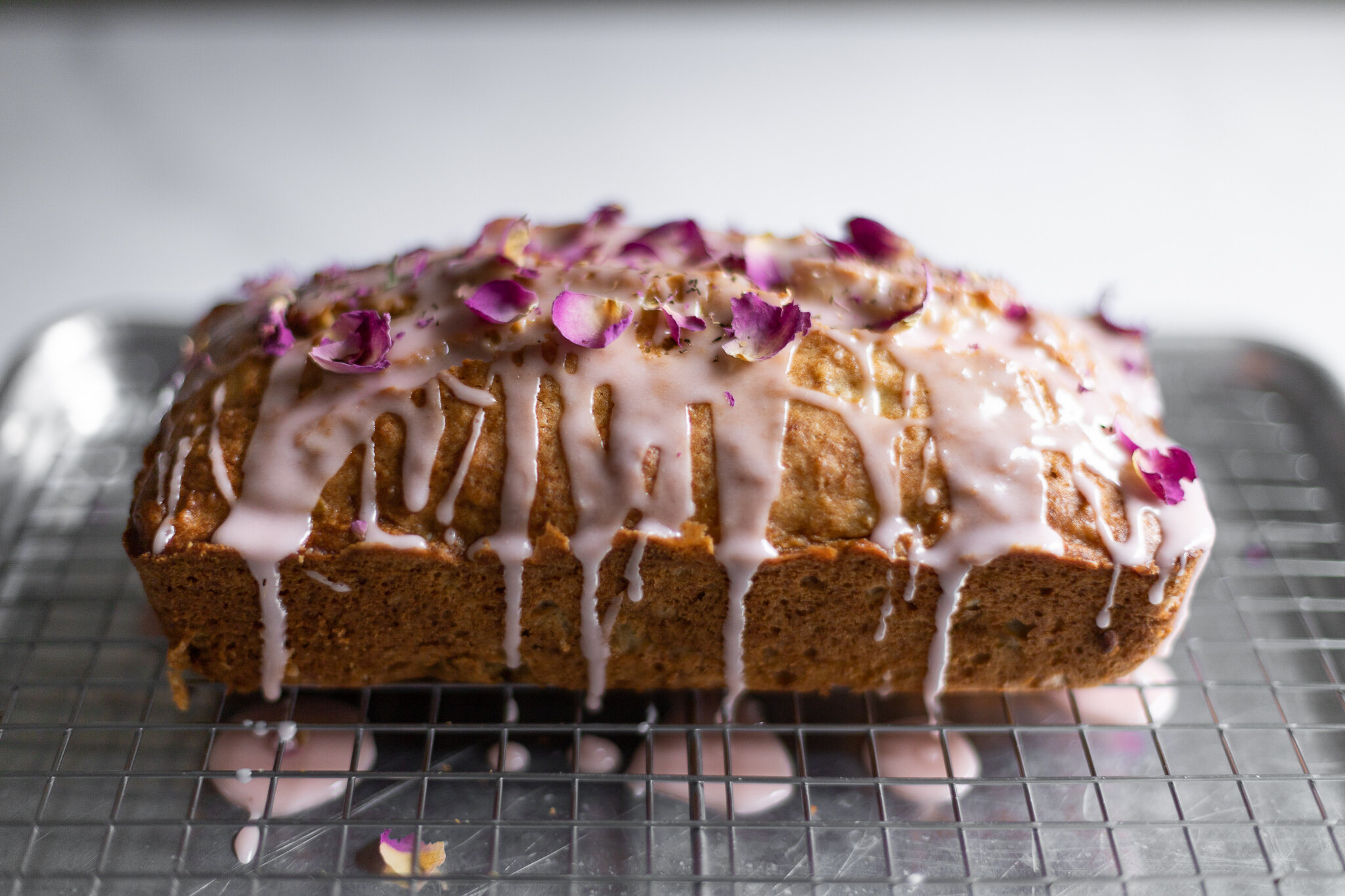
Fall is the heart of pome fruit season. There’s an abundance of apples and pears, but my favorite by far? Quince! If you don’t have quince on hand, feel free to make this olive oil quince cake with unsweetened applesauce instead of quince purée. But if you do stumble across some quince, this recipe is a lovely way to put them to good use.
If you’re ready to start baking, jump to the recipe. Or read on to learn where to find quince, how to prep them (for this and other recipes), reasons I love this particular quince cake, and a note on substitutions.
Where to find quince
Tracking down quince is less about hunting for them in specialty shops, and more about playing the long game. They quietly show up in grocery stores mid-fall through early winter, sometimes a little earlier or later depending on the year. So keep an eye out this fall and winter, especially in larger supermarkets with a robust produce section. Farmers markets are usually a good bet during that window, and you can always ask fruit purveyors when they think quince will be hitting the market.
How to prep quince
The moment you slice into a quince, it’ll start to brown almost instantly. Don’t worry though—this isn’t a sign that you’re doing something wrong, and you certainly don’t need to break out the lemon juice. It’s just what it means to be a quince. Think of it as the fruit version of linen wrinkles: natural and charming.
After you slice the quince open, you core it. This works a little like coring apples, but it’s not exactly the same. There are lots more little stony bits surrounding the core, so you’ll need to do a little extra work to scrape those out. There are instructions in the notes at the end of the recipe card below.
Quince purée: For this recipe, all you need to do is gently poach them in water until soft, and then purée them. That’s it. But here are a couple other ways to prep quince for other applications:
Quince paste or jam: They’re wonderful cooked down with sugar into a thick paste (membrillo) or reduced less to make a lovely jam. If you cook them for any moderately long period of time, they’ll turn the most incredible coral pink color. They’ve got a crazy amount of pectin, so they set up really well.
Raw quince: Many online produce guides will go to great pains to inform you that eating quince raw is absolutely unheard of. However, they are indeed eaten raw in many parts of the world. This is partly because varieties in regions where they are eaten raw tend to be sweeter and less astringent. Raw quince was my great grandfather’s favorite!

Why I love this quince cake recipe
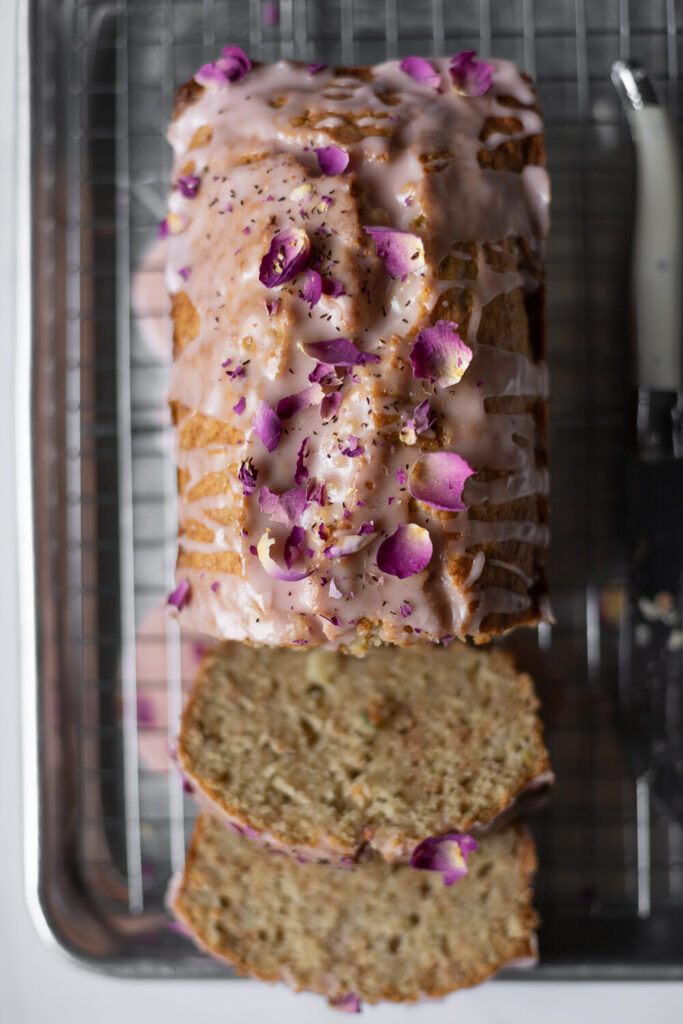
- It uses olive oil, which gives the cake a tender, moist texture. And the fruity flavor of olive oil pairs beautifully with quince.
- It’s very adaptable, and I’ll share a few variations in the next section.
- It’s easy to throw together and just as easy to dress up. The quick glaze drizzle and a simple loaf shape looks great with zero fuss.
Quince cake substitutions and variations
I’ve already mentioned that you can make this quince cake with applesauce instead of quince, and the recipe will outline how to make that swap. But if you want to also play with the flavors, here are a few ideas:
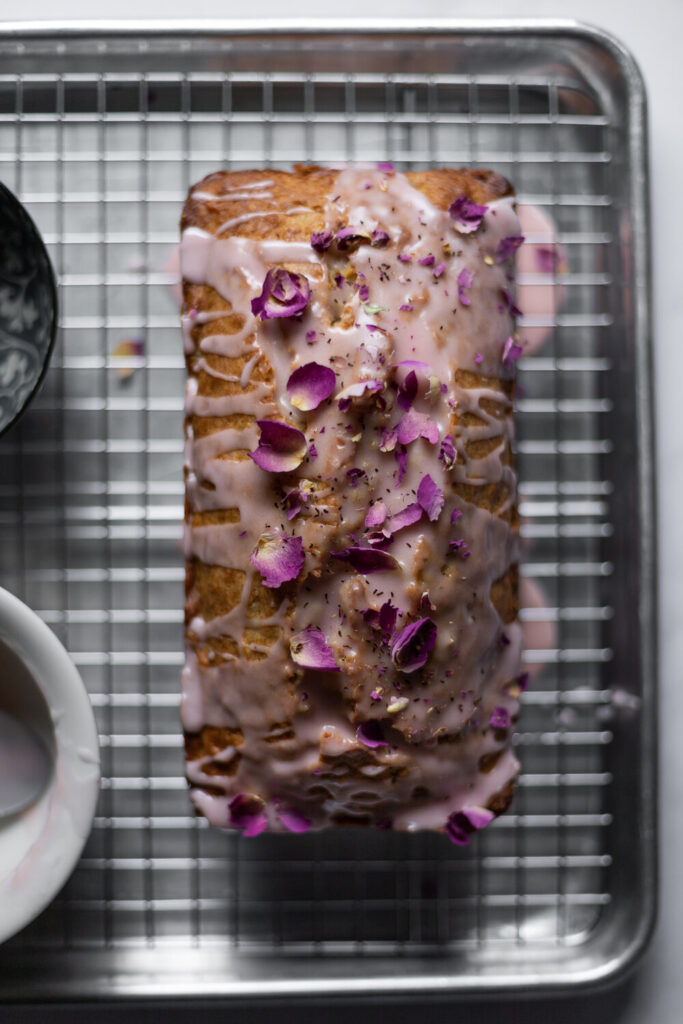
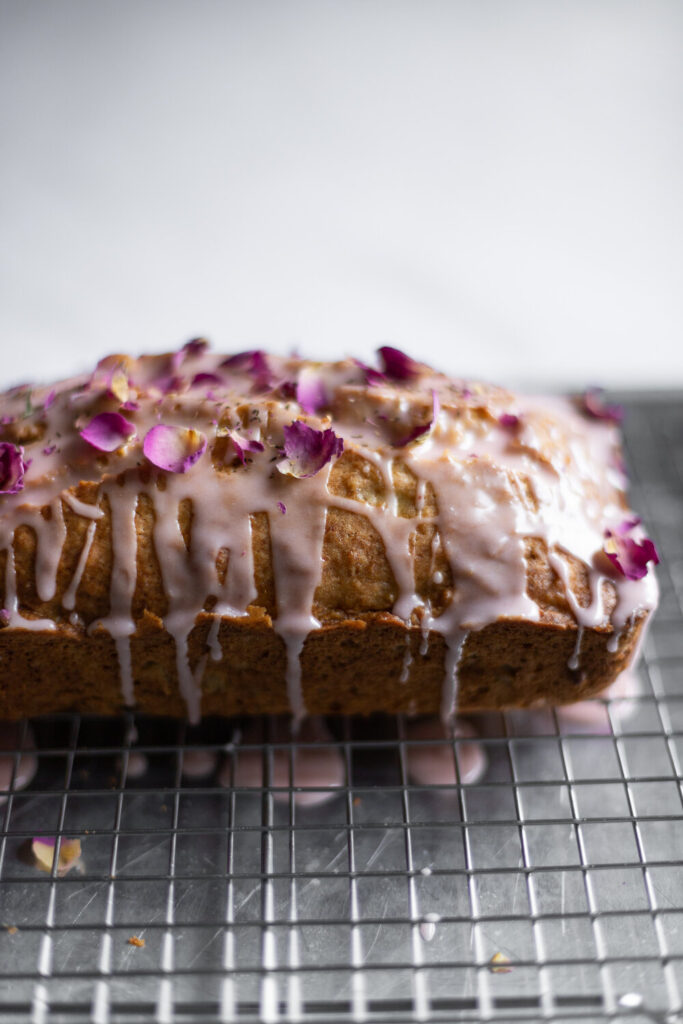
Rosewater: Quince are part of the rose family, so it’s no surprise they carry a delicate floral note and play well with flower waters. I like to play that up with just a touch of rosewater in the cake and glaze.
Spices: Not into floral? No problem. A cozy blend of apple pie spices works beautifully in its place. For instance, cinnamon with a little bit of nutmeg and clove.
Other ideas: Try a splash of orange blossom water, some lemon zest, or even some ground cardamom.
PrintOlive Oil Quince Cake


- Prep Time: 25 minutes
- Cook Time: 1 1/2 hours
- Total Time: 2 hours
- Yield: 8 servings
Ingredients
for the cake:
- 1 very large or 2 medium quince*, peeled, cored**, and cut into 1-inch chunks
- 105g (1/2 cup) extra virgin olive oil
- 2 large eggs
- 135g (2/3 cup) sugar
- Flavorings***
- 200g (1 1/2 cup) flour
- 3/4 tsp salt
- 1/2 tsp baking powder
- 1/4 tsp baking soda
for the glaze and decoration:
- 85g (3/4 cup) powdered sugar
- 15g (1 Tbsp) lemon juice
- Flavorings***
- 1 drop food coloring—pink for rose, yellow for lemon, etc (optional)
- Decorations**** (optional)
Instructions
- Bring a small pot of water to a boil. Once boiling, add the quince and reduce heat to low or medium-low, just to maintain a bare simmer. Let the quince cook for about 45 minutes. They’re done once they’re soft enough to pierce easily with a butter knife.
- Strain the quince. Move to the bowl of a food processor fitted with the blade. Pulse until it’s very finely chopped/puréed. You should end up with 1 cup (235g). It’s ok to use a few tablespoons more if your quince were particularly large and you’ve got a smidge extra, but don’t add very much more than 1 cup.
- Preheat the oven to 350°F [180°C] and grease an 8×4” loaf pan.
- Combine the quince purée, olive oil, eggs, sugar, and rosewater in a medium mixing bowl. Add the flour to the bowl and sprinkle the salt, baking powder, and baking soda evenly on top of the flour. Mix everything together, being very careful not to over-mix. Stop as soon as there are no dry patches of flour.
- Pour the batter into the greased loaf pan. Bake for about 50 minutes, or until a paring knife inserted in the center comes out clean.
- Let the cake cool on a rack for at least 30 minutes before decorating or slicing.
- While you wait for the cake to cool, make the glaze: Whisk together the powdered sugar, lemon juice, rosewater, and food coloring. It’s done once there are no more lumps. Keep covered and whisk it again right before pouring.
- Drizzle the glaze on the cooled cake and immediately top with rose petals. Slice and enjoy. If you have any leftover, store at room temperature for a few days or in the freezer longer (never store in the refrigerator).
Notes
* Can substitute 235g (1 cup) unsweetened applesauce instead.
** Quince need to be cored a bit differently than other pome fruits (e.g., apples, pears, etc.). Split it open and use a small spoon (or measuring spoon/melon baller/corer) to scrape out the core and the stony area immediately surrounding the core. The core has the seeds and tough fibrous parts, but the area around the core also has some gritty bits, which you’ll want to eliminate. You can tell you’re done coring it once you no longer feel any rough gritty bits.
*** E.g., 10g rosewater (2 teaspoons) in the cake and 1/2 tsp in the glaze. Or use your favorite blend of warm spices like cinnamon with a little cardamom, clove, and nutmeg (to taste). Sprinkle in some lemon zest (to taste). Or go with orange blossom water instead of rose (1 Tbsp works great).
**** For instance, edible dried rose petals or pearl sprinkles (each totally optional)
Would I be able to use my quince paste that did not set properly and stir that through the cake batter?
Ah unfortunately I don’t think that would work out so well in this recipe. Quince paste has a lot more water (actually, an unpredictable amount) and sugar than just boiled, strained quince pieces. I’m afraid the cake might end up turning out too dense, but depending on how much water is in the paste, it could even turn out too dry.
But thinking of other things you could do with it: You could turn it into an icing/drizzle, you could put it in a cocktail or mocktail (maybe with bourbon or gin? I’m picturing a quince old fashioned), or you could turn it into a BBQ sauce (if the failed paste is both sweet and runny, don’t add any sugar to the BBQ sauce at first and try to stay away from liquids as much as possible so you maintain as much quince flavor as possible. You’ll need a few liquid ingredients in a standard recipe, but start without any brown sugar. You can always add it later)
I don’t have access to fresh but my Mom has frozen shredded parboiled in the freezer, could I use that in this recipe?
Hi Lauren! Yes, I think that should probably work. You essentially want to turn them into an applesauce-like purée. I’d recommend microwaving them covered with a very small amount of water, since boiling shredded quince will lead them to take on far too much moisture. It’s a little risky subbing a different form of quince in this recipe, because you might end up introducing too much moisture or too little into the cake. But as far as baking recipes go, it’s a forgiving one. I think you’ve got like an 85% chance of success. I hope that helps you decide whether to go for it! Let me know how it goes if you do!
Had quince sauce in the freezer after poaching some and making quince jam. So made a double recipe of this cake for a 12-person dinner with a bunch of former Peace Corps folks. They loved it; particularly the rosewater, which of course is very evocative. No rose petals available so used blue borage. Thanks!
I’m so glad you enjoyed it! I had to google blue borage—so pretty!!
Here, in south-eastern Europe, we weren’t aware that we absolutely don’t have to eat them raw. Now is too late, I guess, I already ate hundreds on raw delicious quinces. 🙂
Thank you for the recipe, it sounds wonderful, like all your recipes. I’ll sure make it soon. 🙂
Hundreds! that’s amazing, I wish they were as readily available here! Hope you’re still enjoying them if they haven’t already disappeared.