
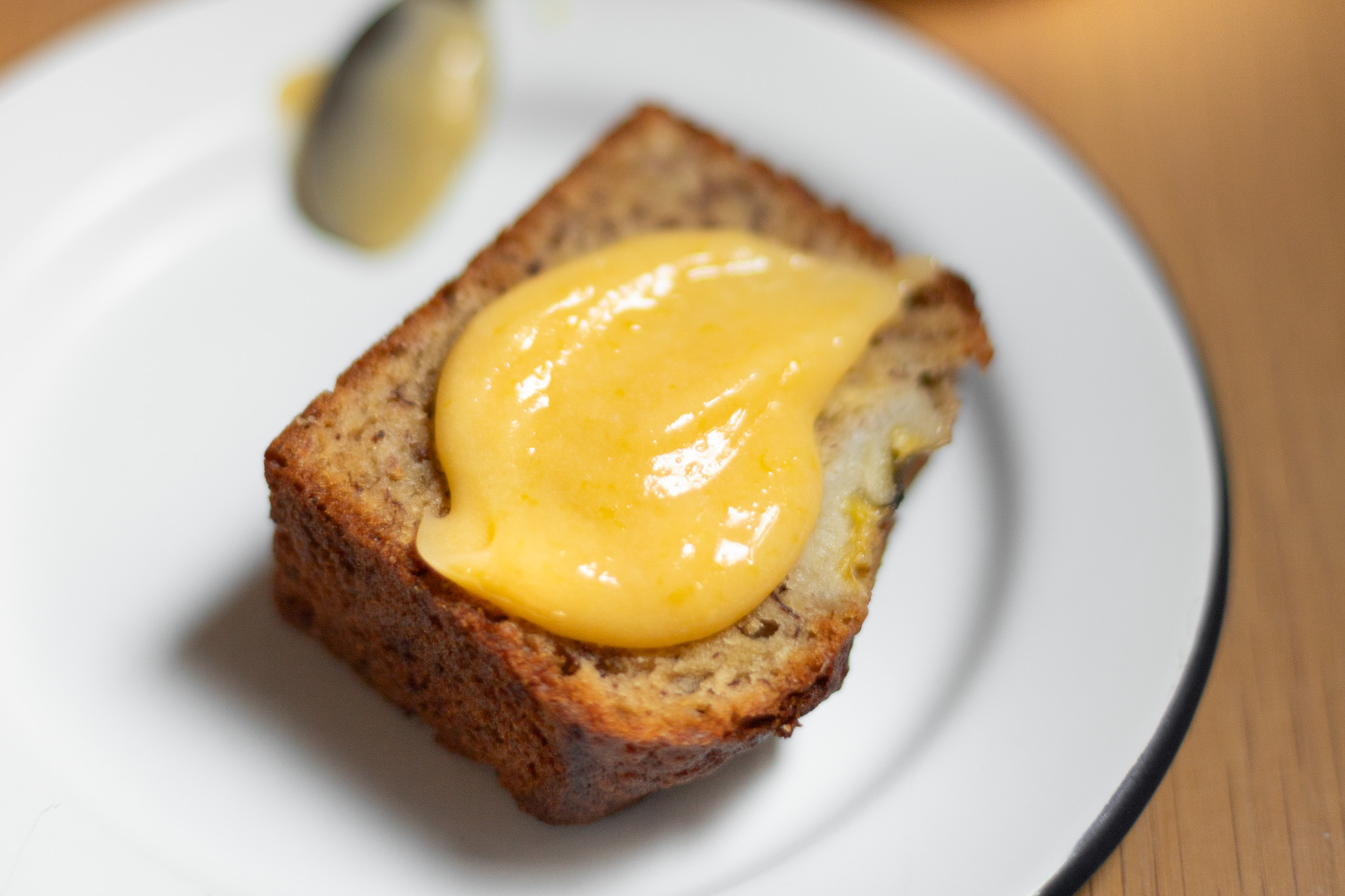
If you can zest it and juice it, you can use it in this citrus curd recipe. Key limes, cara cara oranges, ruby red grapefruits (you name it!). My personal favorite is Meyer lemon. And don’t stop at individual fruits—you can even go ahead and mix-and-match.
But the thing that makes this recipe really special is how easy it is to make. No double-boiler and no egg separating required. You can red more about how that works in my lemon curd post. If you’re ready to get zesting, jump to the recipe. Or read on for some tips for getting the most out of specific citrus fruits.


Adding red coloring (for grapefruits and oranges)
Color is something to consider for fruits like grapefruit and oranges. Citrus curd is naturally yellow, so if you want to get an orange/coral finished product, you’ll need to do a little something extra. Your options: color it naturally (I’ll explain in a second), use a drop or two of the synthetic stuff (easy!), or skip the coloring altogether if you don’t mind a paler citrus curd.
My favorite natural coloring for this is just the water left over after boiling beets. Simply boil some red beets for a salad, and then save the liquid. You’ll need about 1 tsp for grapefruit curd or 1/2 tsp for orange curd (I used 1 tsp to color the grapefruit curd in the fruit tart images below). Don’t add more than 1 tsp or you will affect the texture of the finished product. A little goes a long way!


Substituting some lemon juice (for sweet citrus)
If your citrus is on the sweet side (like oranges or tangerines), you may want to replace some or all of its liquid with lemon juice. Whether to add lemon juice is all about how tangy you want the final product to be, not how much lemon flavor you want it to have. So if you want a citrus curd with a sweet and sour bite, be sure to add a bit of lemon juice to the mix.
Don’t worry about missing out on orange flavor by leaving some or all of the juice out. The fact is, you get most of the citrus flavor from the zest, so substituting lemon juice won’t make much of a difference. An orange curd made with orange zest will still taste very orangey even if you use 100% lemon juice in place of the orange juice.

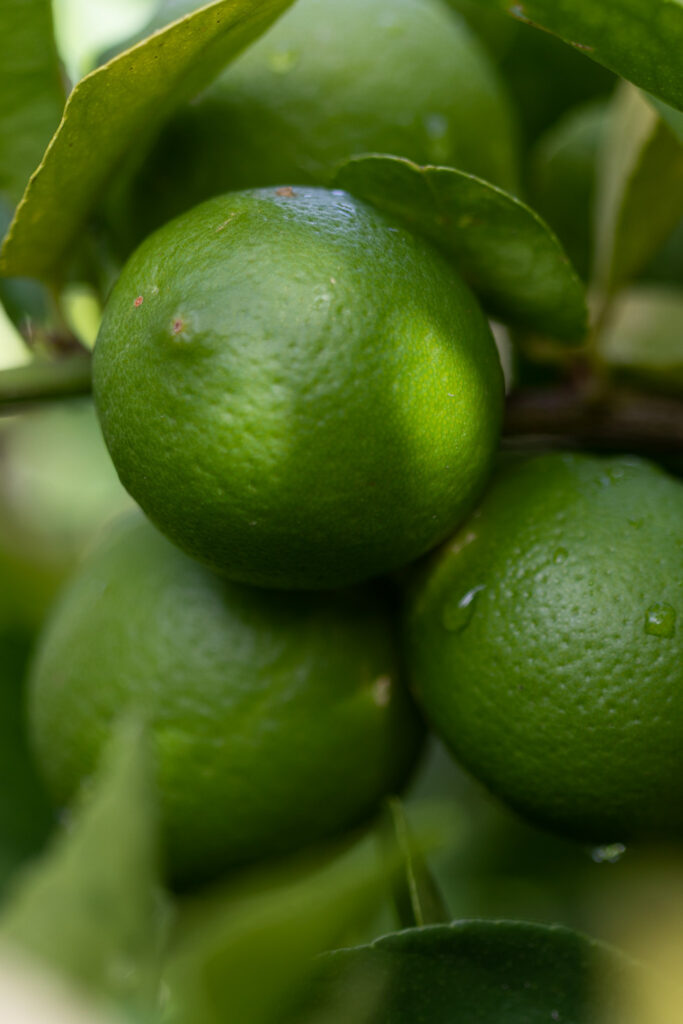
Adding green coloring (for limes and other green citrus)
I’ve never found a natural green food coloring that works for lime curd, so I recommend going with a synthetic one or just leaving it as-is. I mean, key lime pie has always been the color of sweetened condensed milk. It’s pretty conventional to just let it be the color it’s going to be.


A quick note on non-citrus curds:
Passion fruit, hibiscus, cranberry—the list goes on! Anything tangy (not just citrus) can be made into a fruit curd. But this recipe isn’t necessarily that adaptable. For something that doesn’t just consist of juice and zest, you’ll need a more particular recipe.
So don’t go trying to use this recipe to make a green apple cinnamon curd (although that does sound delicious, this is not the recipe for that). I’d rather be honest than leave you super disappointed with a broken, runny experimental curd.

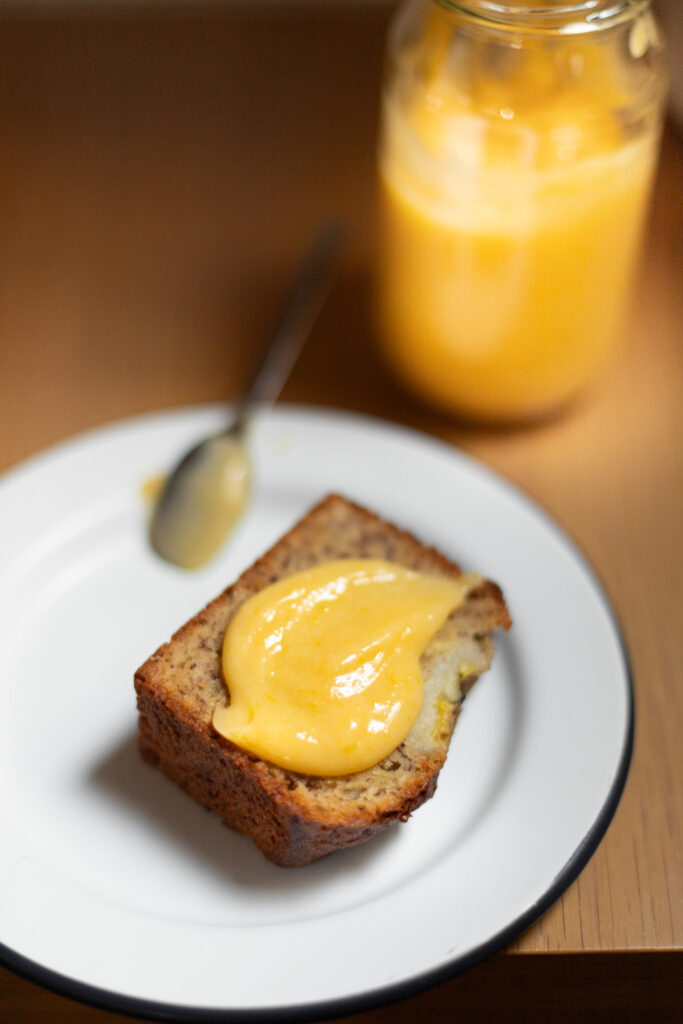
Citrus Curd (with any citrus)

- Total Time: 15 minutes
- Yield: about 1 1/2 cups
Ingredients
- 2 large eggs
- 3/4 cup [150g] granulated sugar
- 1 to 2 Tbsp citrus zest
- 1/3 cup [80g] citrus juice*
- 4 Tbsp [55g] unsalted butter, cut into 4 pieces
Instructions
- Add the eggs, sugar, zest, and juice to a blender or large food processor. Run for about 20 seconds to mix thoroughly. It should have no visible streaks of egg white.
- Once the eggs have blended in completely, transfer to a small saucepan over medium-low heat. Whisk constantly until it thickens significantly, being careful not to let it overheat and lower the heat gradually as it progresses. It will thicken at about 167 to 170°F [75 to 77°C], which takes about 10 minutes** to reach. Do not let it exceed 180°F [82°C].
- As soon as the curd thickens, remove from heat and immediately add the butter and whisk constantly until the butter melts completely.
- Chill completely.***
Storage: Store it in the fridge for 5 to 10 days, or in the freezer for much longer. In my freezer, it stays soft enough to scoop and lasts for months.
See the lemon curd video in this post for an example of how you might use this recipe. If the video does not appear in the intro, please disable ad block.
Notes
* If your chosen citrus is not super tart (and you want a tarter curd) replace some or all of the juice with lemon juice. The curd will primarily taste like whatever zest you use, and the lemon juice will add a negligible amount of lemon flavor.
** This recipe is written for gas. If using induction, it will likely move much more quickly than this. If using electric, you may want to use a double boiler for this (if you do not, please note that times will vary wildly and unpredictably!).
***If you’re using this in a fruit tart (or something where you want it to set up in the baked good rather than in the jar), pour it directly into the baked shell while the curd is still hot and then chill the whole thing.
Video note: If you don’t see the video for this post after scrolling up, please disable ad block and try reloading the page.
Leave a Reply