Earl Grey Shortbread

Ingredients
- 2 sticks [226g] unsalted butter,* softened to room temperature
- 1/3 cup + 1 Tbsp [80g] granulated sugar
- Leaves from 5 earl grey tea bags
- 3/4 tsp salt
- 2 cups [260g] unbleached all-purposed flour
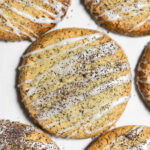
- Optional decoration: royal icing (1 Tbsp milk mixed with about 2/3 cup powdered sugar) and extra earl grey tea
Instructions
- Place the butter, sugar, tea leaves, and salt in the bowl of a stand mixer fitted with the paddle attachment. Beat at medium speed for about 2 minutes until lighter in both texture and color.
- Add the flour to the butter mixture and mix on low speed, just until it forms a soft dough. Scrape the bottom and mix a few times by hand to make sure it’s fully incorporated.
- Place a sheet of parchment paper on the counter and dump the dough onto the sheet.** Place another sheet of parchment paper on top. Gently press the dough into a rough rectangle, and then roll it out between the two sheets of parchment paper. Stop once it is an even 1/2 inch [13mm] all over.
- Place the sheet of dough in the refrigerator for 1 hour (or the freezer for shorter).
- Preheat your oven to 350°F [180°C] toward the end of the dough’s chill time.
- Once the dough has completely firmed up in the refrigerator, gently peel off the top layer of parchment. Stamp out as many rounds of shortbread as you’d like.*** Optionally prick in the middle with a fork once or twice.
- While they are still very cold,**** move the rounds to a parchment-lined sheet pan with 1 inch [2.5cm] between each and bake for about 20 minutes. They should be nicely browned around the edges and on the bottoms, while the tops should be turning light golden brown. Use this visual cue more than the time, peeking through your oven window often—many factors can affect the speed at which they bake (e.g., how thinly you roll them out, the size stamp you use, etc.).
- Slide the parchment off the pan and cool directly on the parchment.*****
- Re-roll the scraps and repeat the process, chilling completely before stamping and baking.
- If using decorations, drizzle the shortbread with icing and sprinkle with a little more tea.
Notes
* I used European butter to develop this recipe because it is the best kind of butter to use for shortbread (it has a lower moisture/higher fat composition). If you don’t have access to European butter (e.g., Kerrygold), you can use standard US butter instead, but your shortbread might be a bit tougher and crumblier and may spread more.
** If you’d rather go with the sliced log method, shape into a log in the parchment paper this way. Despite the title of the article I just linked to, it will never be perfectly round if you go with the log method. But it works well. Instead of stamping out circles, just chill the log completely and then slice off 3/4-inch rounds.
*** I used a 2 1/4 in [57 mm] round to test this recipe—if yours are smaller or larger you may need to adjust the bake time slightly. Also shorten the bake time if you roll yours out thinner than the recipe suggests. If you’re not using a ruler, I highly recommend keeping a close eye on them so they don’t get too toasty.
**** If they have lost their chill, move them to the freezer for a few minutes before baking. They should be solid when they go in the oven, or they will spread and thin out.
***** Shortbread is the kind of thing that tastes really weird right out of the oven and really good after cooling. They should have a crunchy texture once cooled, but they’ll taste oddly dry, mealy, and crumbly while still cooling down. Shortbread is not like a chocolate chip cookie, which is perfect and gooey right out of the oven. Give them a few minutes before taking a bite (or at least before making up your mind).
Video note: If you don’t see the video for this post after scrolling up, please disable ad block and try reloading the page.
Find it online: https://cardamomandtea.com/92808/earl-grey-shortbread/